Nitter
Produkter
- View as
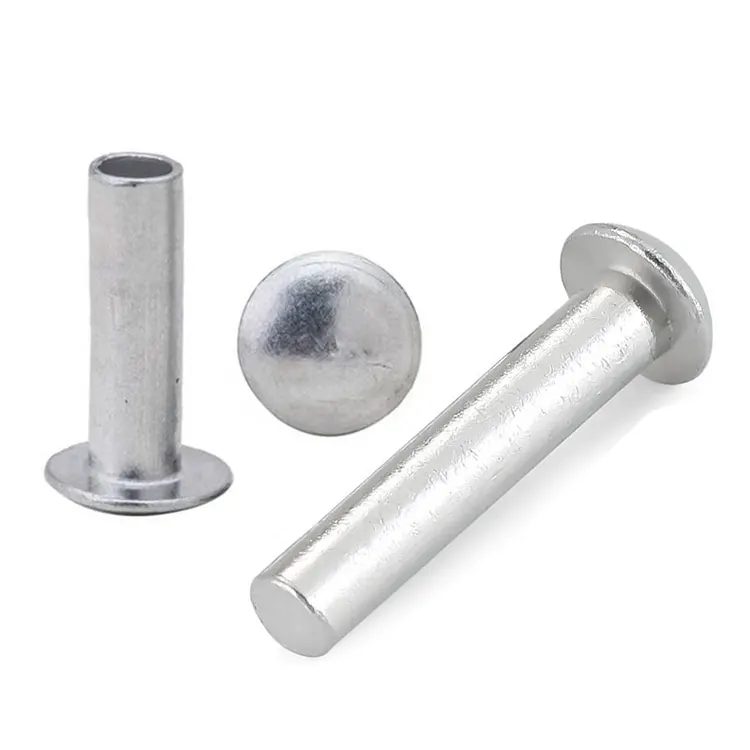
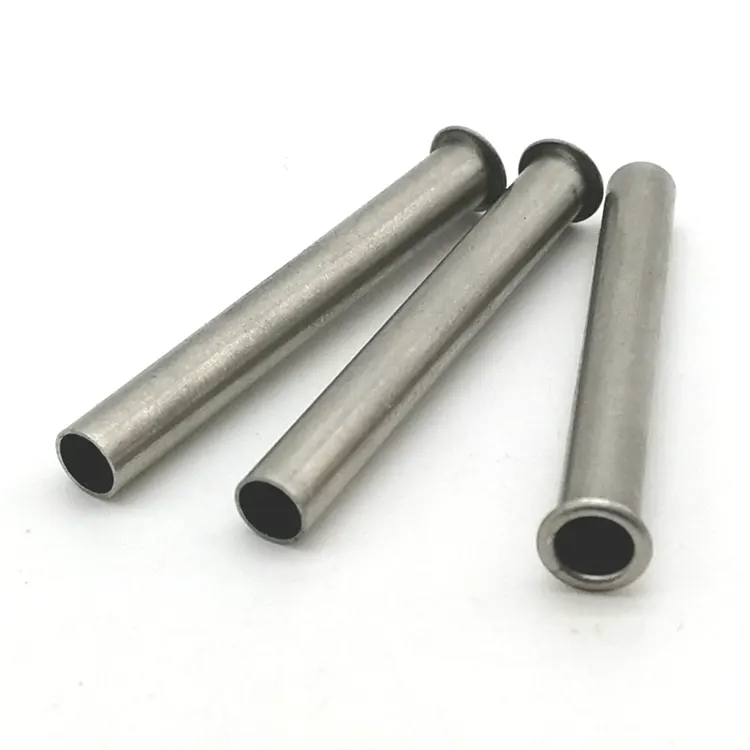
Pan Head nitter
Nuote Metals fremstiller panhovednitter i solide og semi-rørformede designs - med en mellemhøj kuppel med en kort lige sidevæg, der giver mere bæreareal end et rundt hoved og mere hovedhøjde end et fladt hoved. Fås i 1,5-8,0 mm skaftdiametre, fem materialefamilier og tilpassede længder. ISO-certificeret kvalitet, fuld sporbarhed og gratis prøver tilgængelige – kontakt os for at komme i gang.
Læs mereSend forespørgsel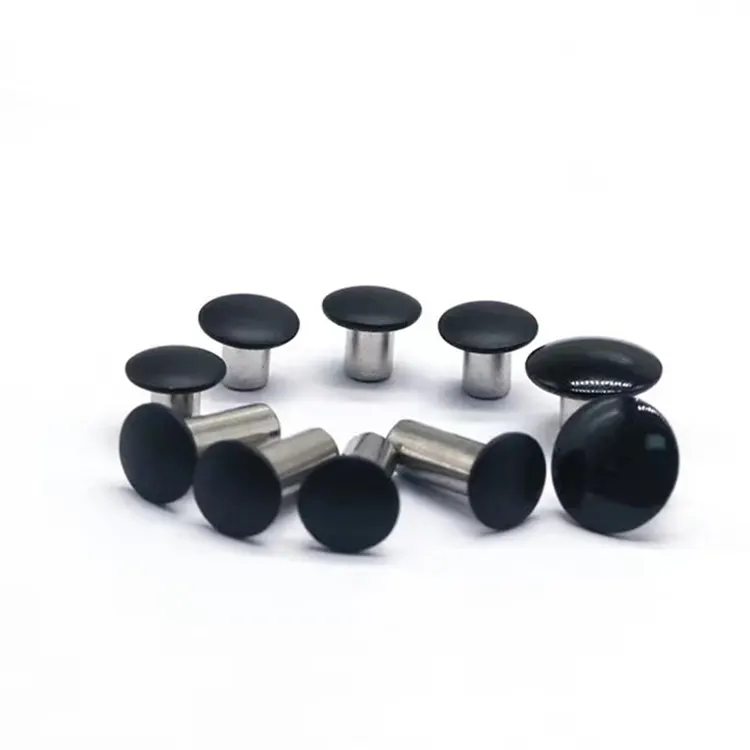
Malede nitter
Malede nitter med malet hoved er meget korrosionsbestandige. Malingslaget, typisk 15-25 mikrometer tykt, isolerer dem effektivt fra fugt og kemikalier. Saltspraytest viser, at malede nitter kan modstå rust i over 500 timer, tre gange længere end ubelagte nitter. Nuote Metals har specialiseret sig i denne slags nitter, vi ligger i Dongguan, Kina.
Læs mereSend forespørgsel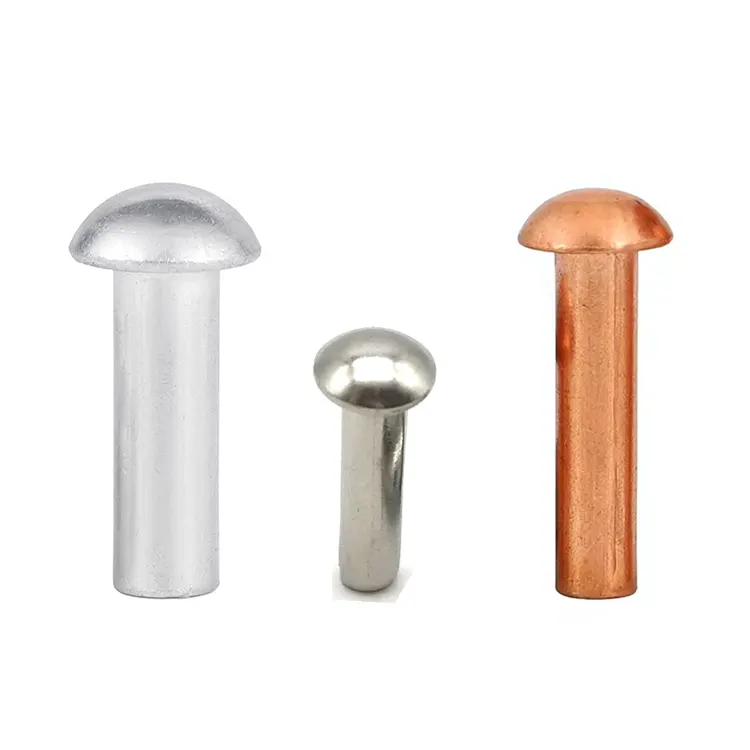
Svampehovednitter
Nuote Metals er en Kina-baseret producent af svampehovednitter i solide og semi-rørformede designs – med en bred kuppel med blidt radius, der fordeler belastningen jævnt uden at skære i bløde materialer. Fås i 1,5-8,0 mm skaftdiametre, fem materialefamilier og tilpassede længder. ISO-certificeret kvalitet, fuld sporbarhed og gratis prøver tilgængelige – kontakt os for at komme i gang.
Læs mereSend forespørgsel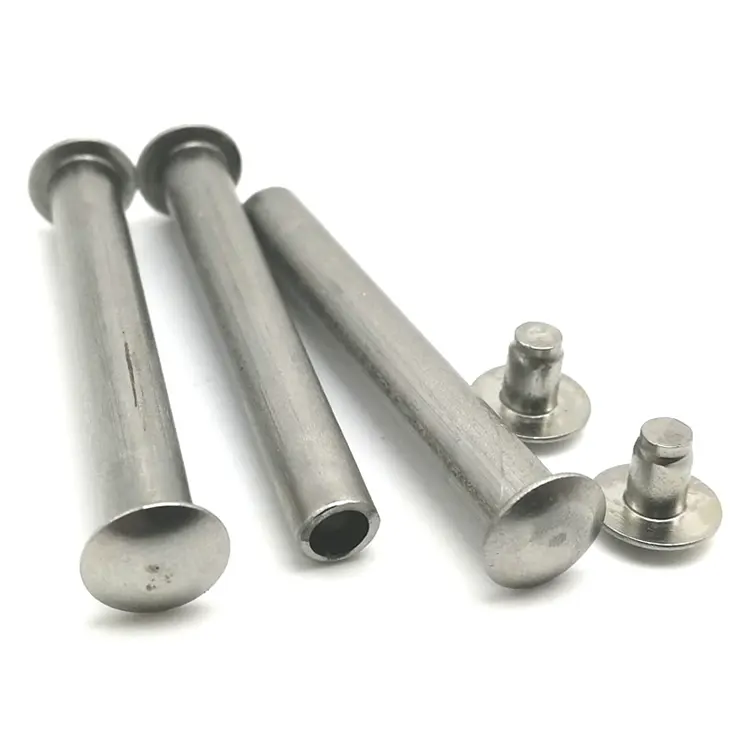
Mandlige Hunnitter
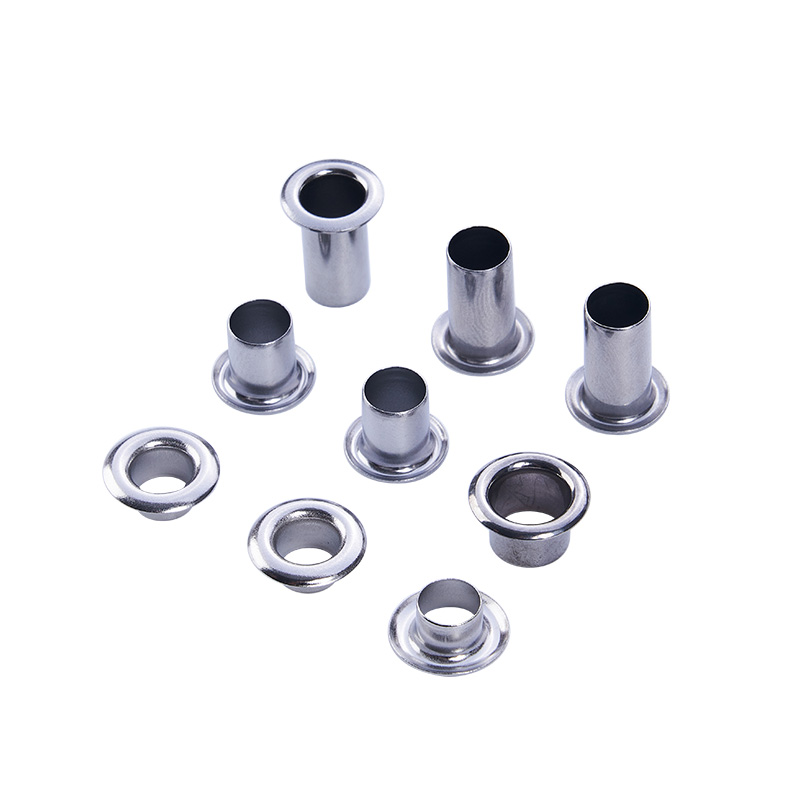
Nuote Metals er en specialiseret producent af hun-hannitter i Kina. Fordelene ved hun-hannitter er enkel installation og lave omkostninger. Sammenlignet med andre tilslutningsmetoder, såsom svejsning eller klæbemidler, kræver hunnitter til hankøn ikke specialiserede færdigheder eller lange hærdetider. Men deres ulemper er også betydelige: Forbindelsesstyrken er begrænset, hvilket gør den uegnet til højintensive eller højvibrerende miljøer. Efter lang tids brug kan de blive løse, hvilket kræver regelmæssig inspektion.
Læs mereSend forespørgsel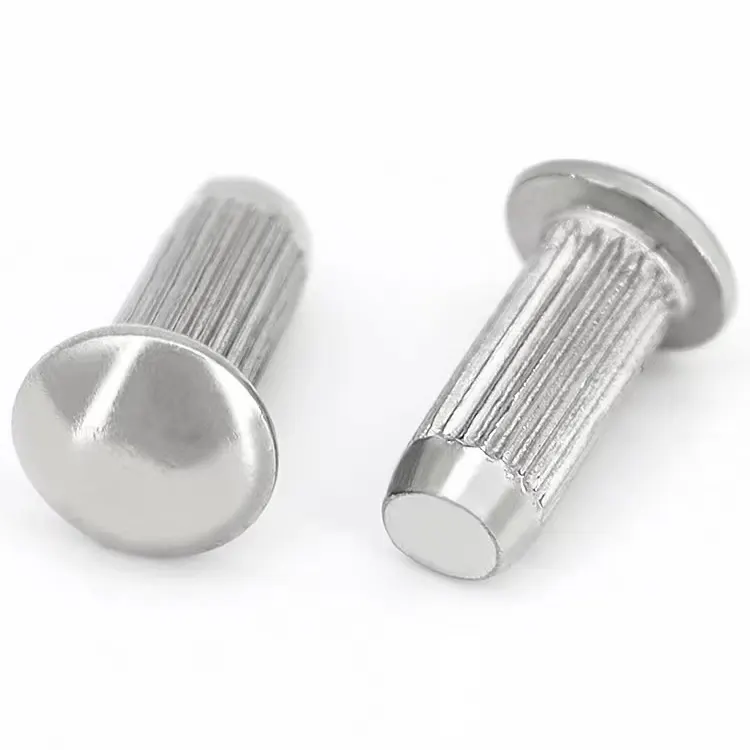
Riflede nitter
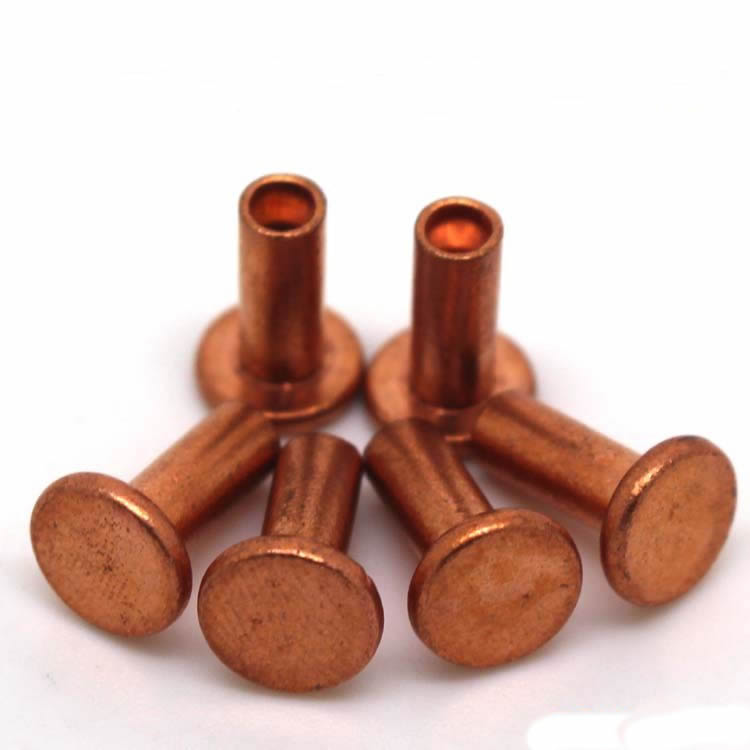
Riflede nitter består typisk af et hoved, skaft og hale. Skaftet har et diagonalt eller lige riflet mønster, en bearbejdet, præget tekstur, der giver et bedre greb under installationen og forhindrer værktøjsglidning. Skaftet er cylindrisk, med længde og diameter varierende afhængigt af anvendelsen. Almindelige størrelser spænder fra 3 mm til 8 mm i diameter og 5 mm til 20 mm i længden. Halen kan også have gevind eller riller til sammenkobling med møtrikker eller andre fastgørelseselementer.
Læs mereSend forespørgsel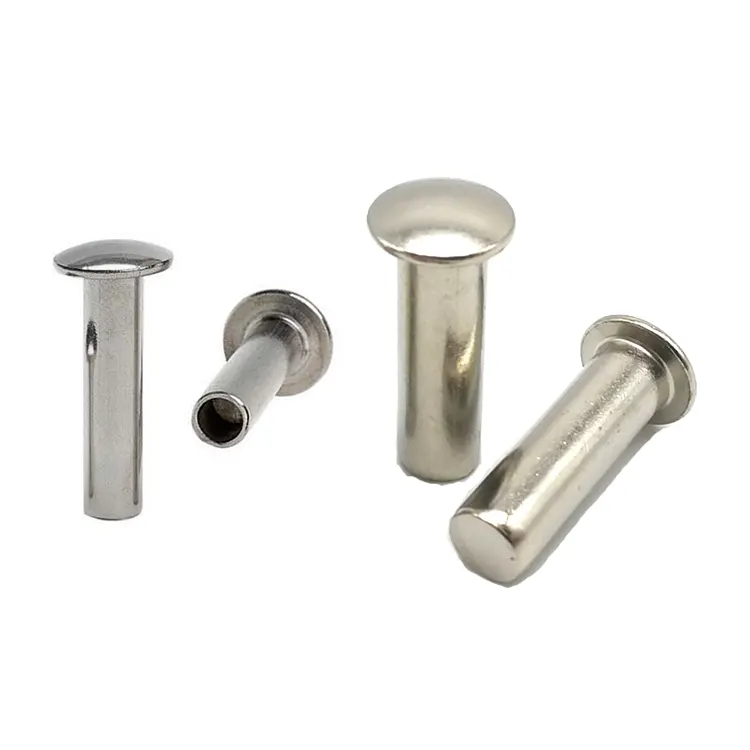
Jern nitter med rund hoved
Jernnitter med rund hoved er et fastgørelseselement, der er meget udbredt i industriel fremstilling og hverdagsliv. Deres unikke design og fremragende ydeevne gør dem til et topvalg på mange områder. Nuote Metals er specialiseret i produktion af jernnitter med rund hoved. Dimensionerne på vores nitter overholder nøje de tolerancer, der er angivet på kundens tegninger. Hver proces er underlagt en kvalitetsinspektionscyklus for at sikre kvaliteten af det endelige produkt. Vi har snesevis af maskiner med kold styring, med en daglig produktion på titusinder af nitter.
Læs mereSend forespørgselHvad er fordelene ved nitter i forhold til andre fastgørelsesmidler?
1. Nem installation
Nitter er hurtige at installere og endda fuldautomatiserede til store mængder applikationer, hvilket resulterer i en enkel og effektiv betjeningsproces.
2. Tilslutningssikkerhed
Nitteprocessen er standardiseret med streng kvalitetskontrol, hvilket resulterer i meget stabile forbindelser. Visuel inspektion giver mulighed for hurtig verifikation af forbindelsens kvalitet.
3. Vibrations- og slagfasthed
Nitter forbindes gennem deformation eller interferenspasning, hvilket giver en stærk klemkraft og fremragende vibrationsmodstand, der er i stand til at modstå vibrationer og stød.
4. Lavpris
Nitter er nemme at installere og kan fuldautomatiseres, hvilket sparer betydelige arbejdsomkostninger.
Hvad er fordelene og ulemperne ved nitter lavet af forskellige materialer?
Aluminiumsnitter
Fordele: Letvægts, reducerer den samlede produktvægt, lav pris, velegnet til almindelige civile applikationer.
Ulemper: Lav træk- og forskydningsstyrke, uegnet til højstyrke emner, tilbøjelig til elektrokemisk korrosion ved kontakt med metaller såsom rustfrit stål.
Rustfri stålnitter
Fordele: Stærk korrosionsbestandighed, høj hårdhed, velegnet til højstyrke emner (såsom marineudstyr)
Ulemper: Højere omkostninger, typisk dyrere end aluminiumsnitter af samme specifikation.
Nitter af messing og kobber
Fordele: Fremragende ledningsevne (såsom tilslutning af elektroniske komponenter), god korrosionsbestandighed.
Ulemper: Højere omkostninger, sværere at behandle.
Stålnitter
Fordele: Høj hårdhed, høj forbindelsessikkerhed og bred anvendelighed.
Ulemper: Sammenlignet med andre materialer er jernnitter mere tilbøjelige til at ruste.
Hvad er de vigtigste anvendelser af nitter?
Nitter har en bred vifte af anvendelser, fra små genstande som en saks til store genstande som fly og skibe, såvel som i højpræcisions medicinske applikationer.
Industriel fremstilling
Nitter bruges i en lang række industrielle områder, hvor der er behov for at forbinde to eller flere materialer.
Elektronik
Nitter sikrer køleplader og spåner, der giver både vibrationsdæmpning og støjreduktion, og er meget udbredt i kølesystemer til elektroniske produkter såsom computere og mobiltelefoner.
Automotive
Nitter bruges i vid udstrækning til at forbinde komponenter i bilkarosserier og chassis, såsom døre og hætter. Deres lette og korrosionsbestandige egenskaber gør dem til en uundværlig sammenføjningsmetode i bilfremstilling.
Rumfart
I flyfremstilling bruges nitter til at forbinde forskellige skrogkomponenter, såsom vinger og halefly. Millioner af nitter skaber højstyrke, korrosionsbestandige samlinger. Aluminium- og titanlegeringsnitter bruges ofte til at forbinde komponenter af tilsvarende materialer, hvilket sikrer stabilitet i ekstreme miljøer.
Nitter bruges overalt. Ovenstående eksempler repræsenterer kun et lille antal af deres applikationer. Vi ser nitter overalt i vores dagligdag, såsom på sakse, klapsenge og klapvogne osv. Nitter kan tilpasses til forskellige størrelser og materialer afhængigt af anvendelsen.
Nuote Metals har specialiseret sig i nitteindustrien i over et årti. Vores fabrik er beliggende i Dongguan, en by kendt som "World Factory", en by med en udviklet industri og bekvem transport. Dette giver os mulighed for at reagere hurtigt, når vi anskaffer råvarer og understøtter overfladebehandlinger, og opfylder vores kunders behov for hurtig adgang til prøver og bulkordrer. Vi producerer 10 millioner nitter dagligt og har forme med forskellige specifikationer, hvilket giver os mulighed for at producere nitter helt ned til 0,8 mm og så store som 10 mm. Vi glæder os over dine henvendelser og besøg.



X
Vi bruger cookies til at tilbyde dig en bedre browsingoplevelse, analysere trafik på webstedet og tilpasse indhold. Ved at bruge denne side accepterer du vores brug af cookies.
Privatlivspolitik