Særlige nitter
Produkter
- View as
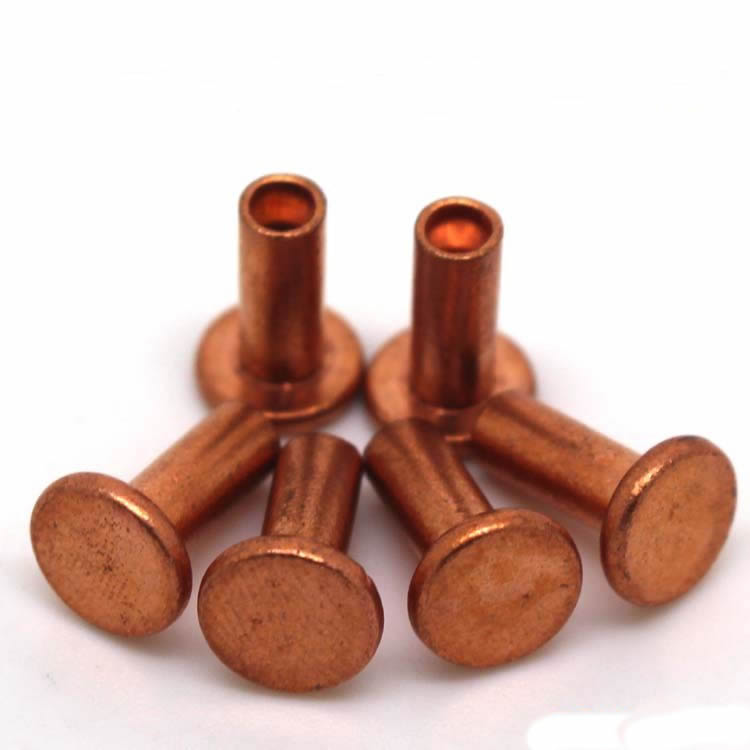
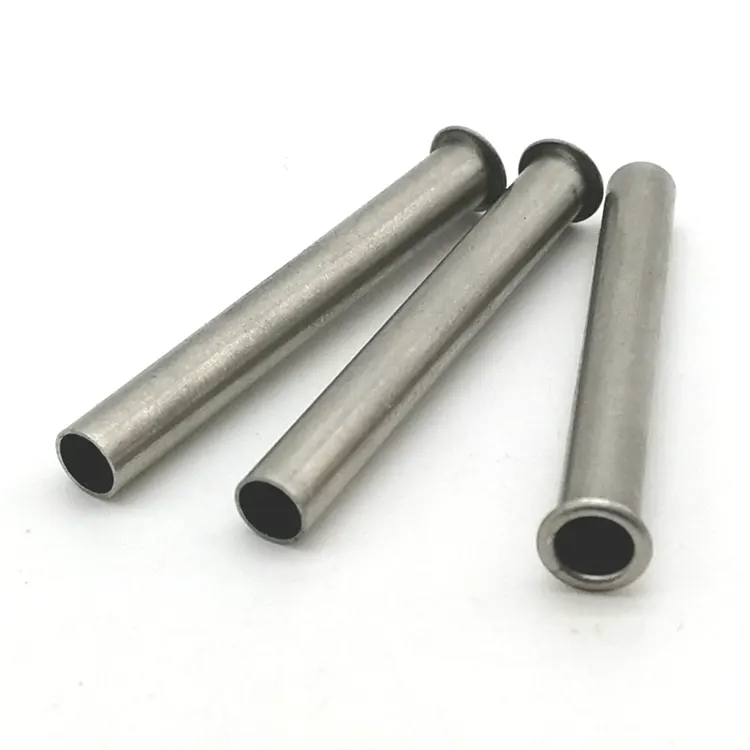
Rundhovednitter
Nuote Metals fremstiller nitter med runde hoveder i solide, semi-rørformede og fuldt rørformede designs - den mest anerkendte og pålidelige nittehoved stil inden for industriel fastgørelse. Tilgængelig i 1,5–8,0 mm skaftdiametre, fem materialefamilier og tilpassede længder. ISO-certificeret kvalitet, fuld sporbarhed og gratis prøver tilgængelige – kontakt os for at komme i gang.
Læs mereSend forespørgsel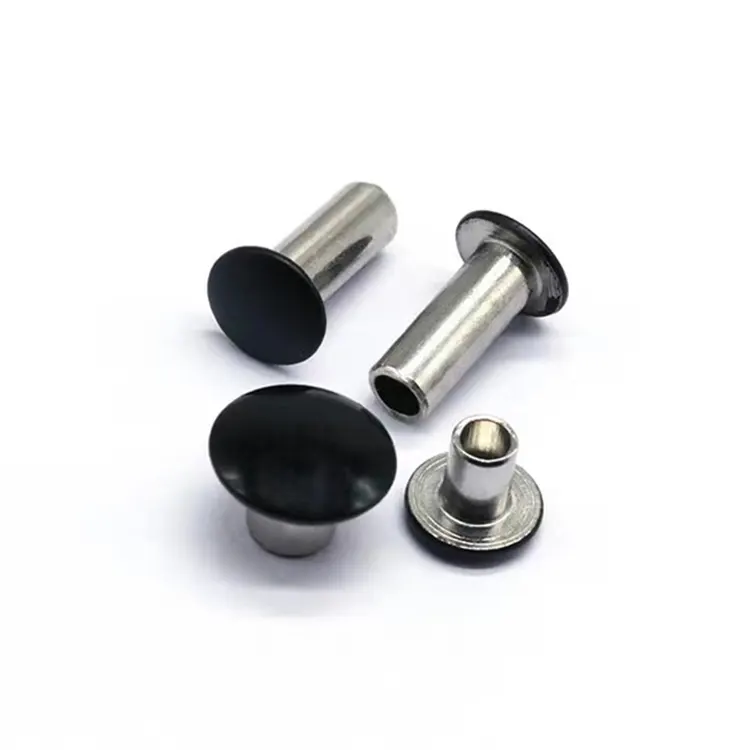
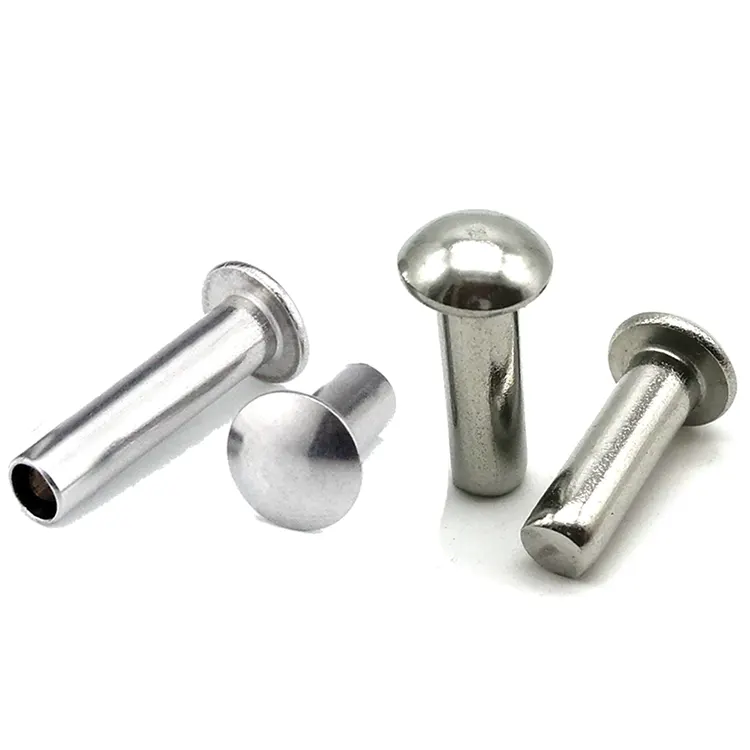
Pulverlakerede nitter
Farvede nitter, også kendt som pulvercoatede nitter, er belagt med pulvercoating på nittehovedet gennem en højtemperatur spraymalingsproces. Malingen er jævnt tørret for at sikre en ikke falmende finish. Denne type nitte kræver et højt niveau af færdigheder i bagelak og præcis farvematchning. Efter nitning skaber den en ensartet og smuk farve, der fuldt ud realiserer dens dekorative effekt.
Læs mereSend forespørgsel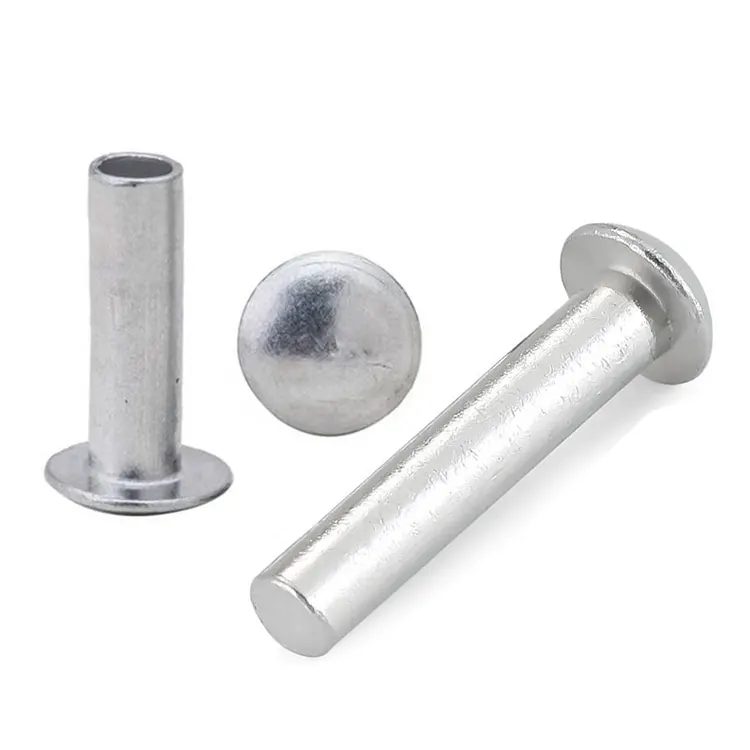
Pan Head nitter
Nuote Metals fremstiller panhovednitter i solide og semi-rørformede designs - med en mellemhøj kuppel med en kort lige sidevæg, der giver mere bæreareal end et rundt hoved og mere hovedhøjde end et fladt hoved. Fås i 1,5-8,0 mm skaftdiametre, fem materialefamilier og tilpassede længder. ISO-certificeret kvalitet, fuld sporbarhed og gratis prøver tilgængelige – kontakt os for at komme i gang.
Læs mereSend forespørgsel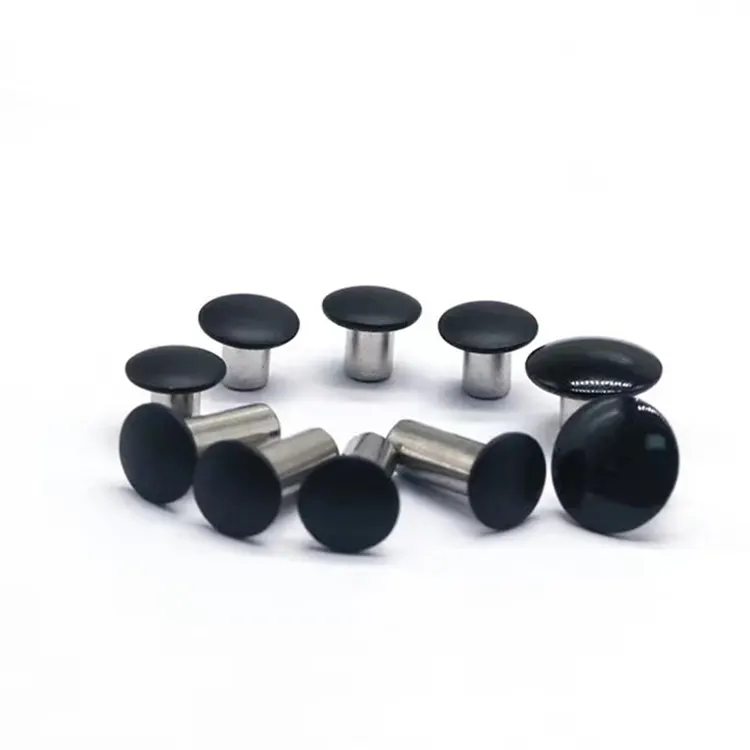
Malede nitter
Malede nitter med malet hoved er meget korrosionsbestandige. Malingslaget, typisk 15-25 mikrometer tykt, isolerer dem effektivt fra fugt og kemikalier. Saltspraytest viser, at malede nitter kan modstå rust i over 500 timer, tre gange længere end ubelagte nitter. Nuote Metals har specialiseret sig i denne slags nitter, vi ligger i Dongguan, Kina.
Læs mereSend forespørgsel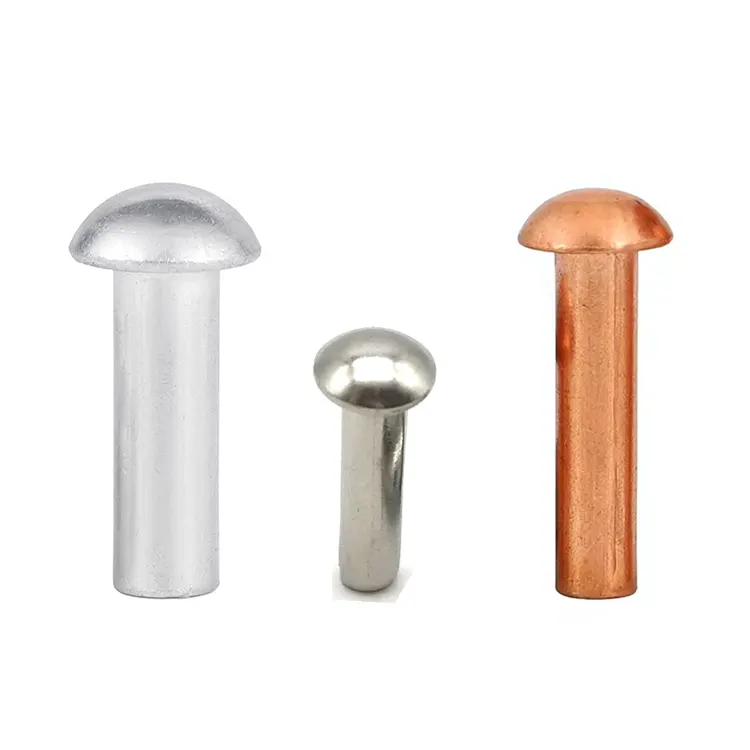
Svampehovednitter
Nuote Metals er en Kina-baseret producent af svampehovednitter i solide og semi-rørformede designs – med en bred kuppel med blidt radius, der fordeler belastningen jævnt uden at skære i bløde materialer. Fås i 1,5-8,0 mm skaftdiametre, fem materialefamilier og tilpassede længder. ISO-certificeret kvalitet, fuld sporbarhed og gratis prøver tilgængelige – kontakt os for at komme i gang.
Læs mereSend forespørgsel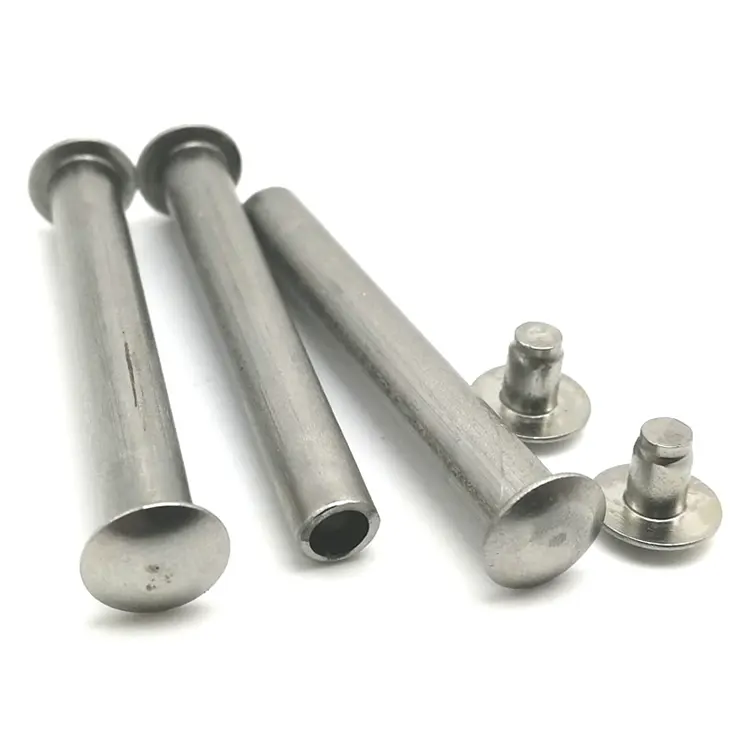
Mandlige Hunnitter
Nuote Metals er en specialiseret producent af hun-hannitter i Kina. Fordelene ved hun-hannitter er enkel installation og lave omkostninger. Sammenlignet med andre tilslutningsmetoder, såsom svejsning eller klæbemidler, kræver hunnitter til hankøn ikke specialiserede færdigheder eller lange hærdetider. Men deres ulemper er også betydelige: Forbindelsesstyrken er begrænset, hvilket gør den uegnet til højintensive eller højvibrerende miljøer. Efter lang tids brug kan de blive løse, hvilket kræver regelmæssig inspektion.
Læs mereSend forespørgselFremstillingsproces af specielle nitter
Fremstillingen af specielle nitter involverer flere led, hovedsagelig herunder:
1.Materialevalg:Vælg passende metal- eller legeringsmaterialer i henhold til brugsmiljøet.
2.Kold overskrift eller varm overskrift:Brug trykbehandling til at danne nittens grundform til metalemnet.
3.Drejning eller fræsning:Finbearbejd detaljerne såsom hovedet og stilken på nitten for at sikre dimensionsnøjagtighed.
4.Overfladebehandling:Såsom galvanisering, fornikling, anodisering osv. for at forbedre korrosionsbestandighed eller æstetik.
Fordele og begrænsninger ved specielle nitter
(1) Fordele: De kan imødekomme særlige behov, forbedre samlingseffektiviteten og forbindelsespålideligheden og er velegnede til komplekse eller krævende applikationsscenarier.
(2) Begrænsninger: Da de er tilpassede produkter, er produktionsomkostningerne høje, leveringscyklussen er relativt lang, og kunderne skal angive detaljerede tekniske parametre.
Hvordan vælger man passende specielle nitter?
(1)Afklar behovene:Bestem nøgleparametrene såsom nittens driftsmiljø, spændingsforhold og krav til korrosionsbestandighed.
(2)Materiale matchende:Vælg det passende materiale baseret på faktiske behov for at undgå overdesign, der fører til øgede omkostninger.
(3)Kommunikere med leverandører:Giv detaljerede tekniske tegninger eller prøver for at sikre, at de fremstillede specialnitter lever op til forventningerne.
Hvad er de vigtigste anvendelser af specielle nitter?
(1)Rumfart: Fly, raketter og andet udstyr stiller ekstremt høje krav til fastgørelseselementers vægt, styrke og højtemperaturbestandighed. Specialnitter kan optimeres efter specifikke behov.
(2)Bilfremstilling:Visse specialmodeller eller højtydende køretøjer kan kræve specielle nitter for at opfylde behovene for letvægts- eller højstyrkeforbindelser.
(3)Elektronisk udstyr:Præcisionsinstrumenter eller lille elektronisk udstyr kan kræve mikrospecielle nitter for at sikre stabiliteten og kompaktheden af forbindelsen.
(4)Byggebranchen:Nogle specialstrukturerede bygninger eller dekorationsprojekter kan bruge specielle nitter for at opfylde specifikke installationskrav.
Markedsstatus for specielle nitter
Med fremskridt inden for industriel teknologi er flere og flere industrier begyndt at bruge specielle nitter til at optimere produktdesign. På nuværende tidspunkt er producenter af specielle nitte hovedsageligt koncentreret i Yangtze River Delta- og Pearl River Delta-regionerne i Kina og kan levere en række tilpassede tjenester. På grund af den høje enhedspris på specielle nitter er dens markedsstørrelse relativt lille, men efterspørgslen inden for avanceret fremstilling fortsætter med at vokse.
Fremtidige udviklingstendenser
(1)Letvægtsdesign: Med forbedringen af energibesparende og miljøbeskyttelseskrav vil specielle nitter lavet af letvægtsmaterialer være mere populære.
(2)Intelligent produktion: Automatiseret udstyr og digital styring vil yderligere forbedre produktionseffektiviteten og kvalitetsstabiliteten af Specialnitter.
(3)Bredere anvendelse: Nye industrier som ny energi og robotteknologi kan drive væksten i efterspørgslen efter specielle nitter.
Sammenfattende er specialnitter meget tilpassede fastgørelseselementer, der kan opfylde særlige behov, som standardnitter ikke kan opfylde. Selvom dens produktionsomkostninger er relativt høje, spiller den en uerstattelig rolle i industrier som rumfart, biler og elektronik. I fremtiden, med fremskridt inden for fremstillingsteknologi, forventes anvendelsesområdet for Specialnitter at udvide sig yderligere.



X
Vi bruger cookies til at tilbyde dig en bedre browsingoplevelse, analysere trafik på webstedet og tilpasse indhold. Ved at bruge denne side accepterer du vores brug af cookies.
Privatlivspolitik