Særlige nitter
Produkter
- View as
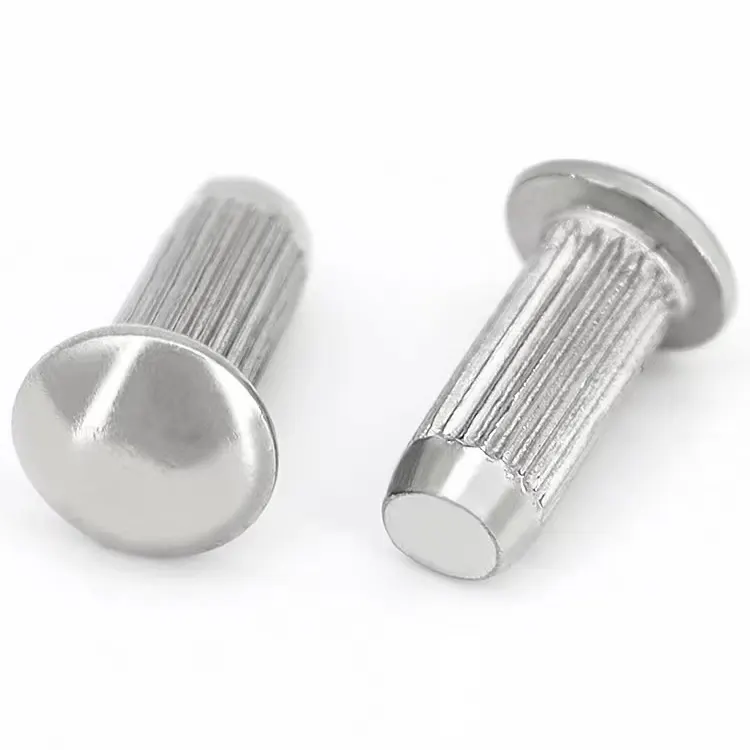
Riflede nitter
Riflede nitter består typisk af et hoved, skaft og hale. Skaftet har et diagonalt eller lige riflet mønster, en bearbejdet, præget tekstur, der giver et bedre greb under installationen og forhindrer værktøjsglidning. Skaftet er cylindrisk, med længde og diameter varierende afhængigt af anvendelsen. Almindelige størrelser spænder fra 3 mm til 8 mm i diameter og 5 mm til 20 mm i længden. Halen kan også have gevind eller riller til sammenkobling med møtrikker eller andre fastgørelseselementer.
Læs mereSend forespørgsel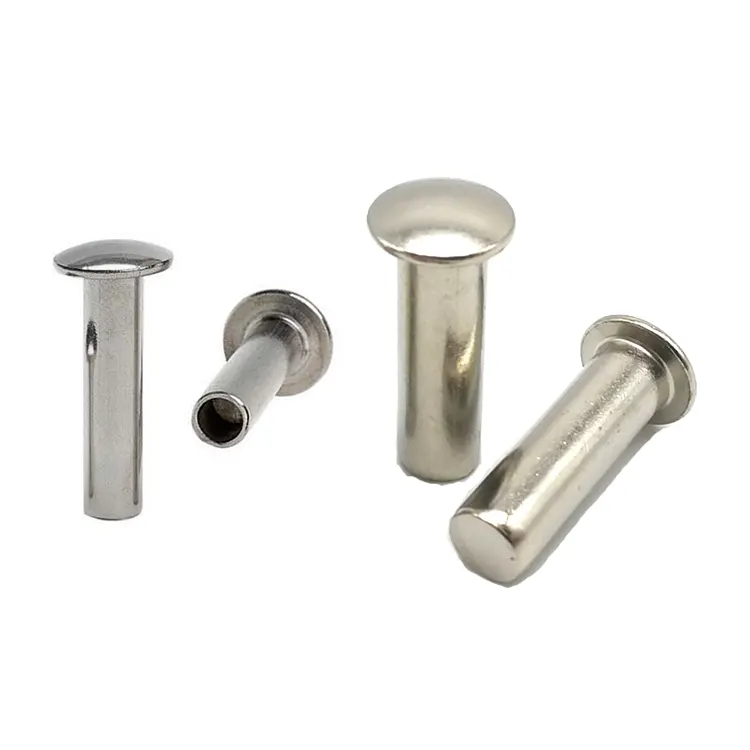
Jern nitter med rund hoved
Jernnitter med rund hoved er et fastgørelseselement, der er meget udbredt i industriel fremstilling og hverdagsliv. Deres unikke design og fremragende ydeevne gør dem til et topvalg på mange områder. Nuote Metals er specialiseret i produktion af jernnitter med rund hoved. Dimensionerne på vores nitter overholder nøje de tolerancer, der er angivet på kundens tegninger. Hver proces er underlagt en kvalitetsinspektionscyklus for at sikre kvaliteten af det endelige produkt. Vi har snesevis af maskiner med kold styring, med en daglig produktion på titusinder af nitter.
Læs mereSend forespørgsel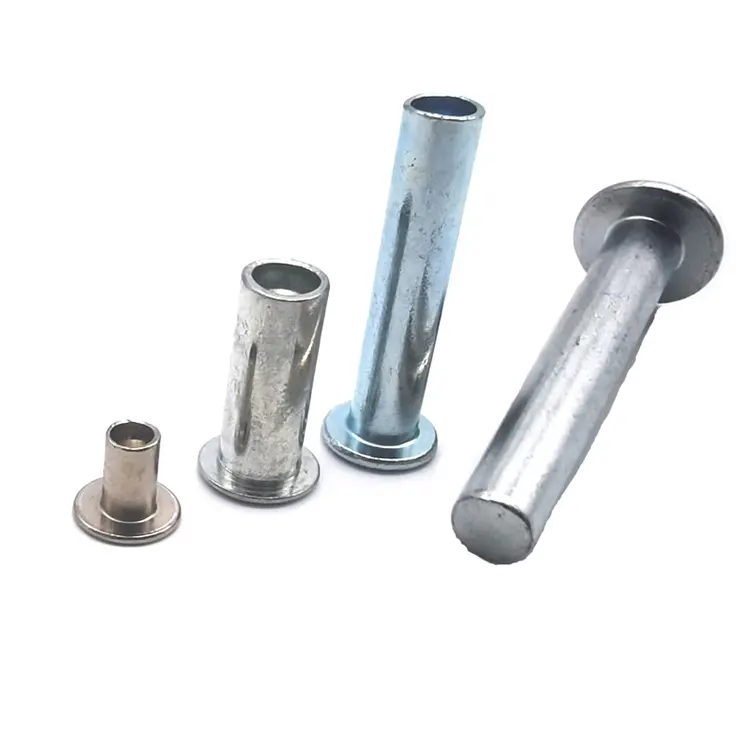
Jernnitter
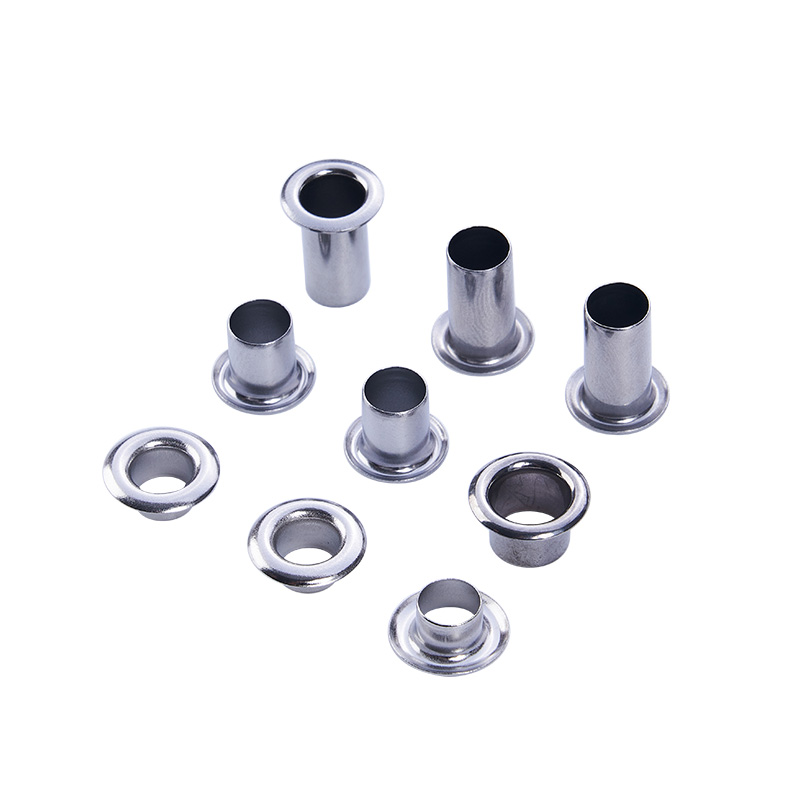
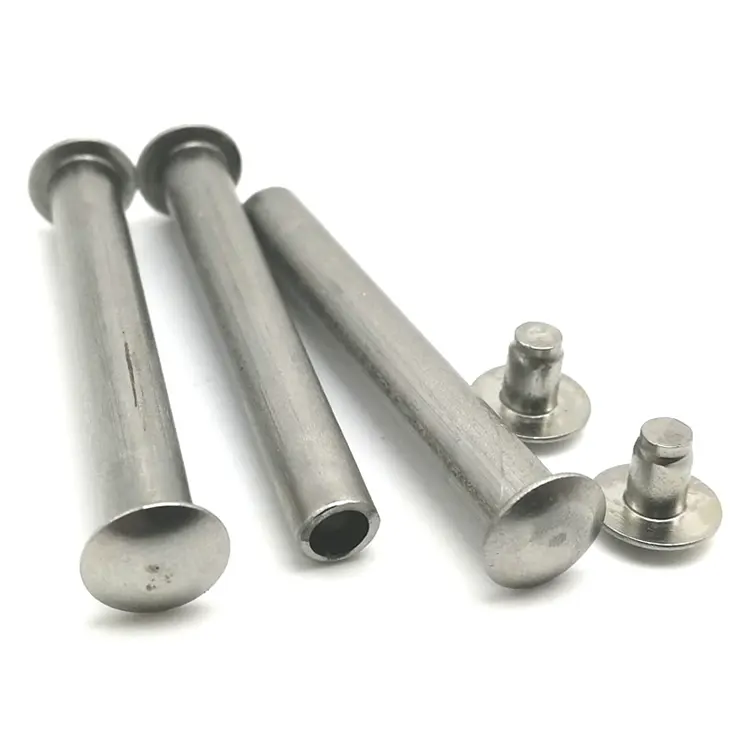
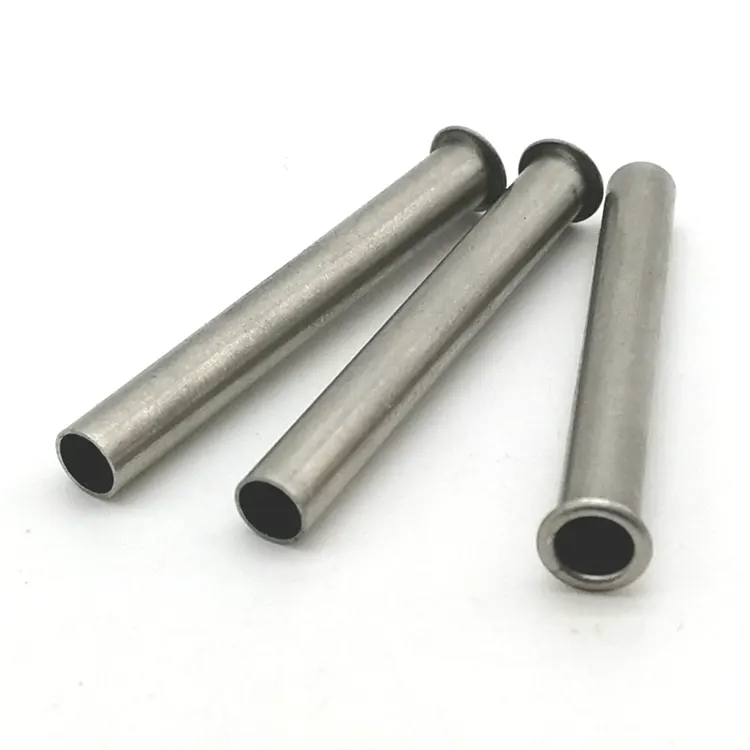
Nuote Metals fremstiller jernnitter i solide, semi-rørformede og fuldt rørformede designs - leverer den bedste kombination af styrke og økonomi i industriel fastgørelse. Fås i 1,5–8,0 mm skaftdiametre med zinkbelægning eller sort oxidfinish.
Læs mereSend forespørgsel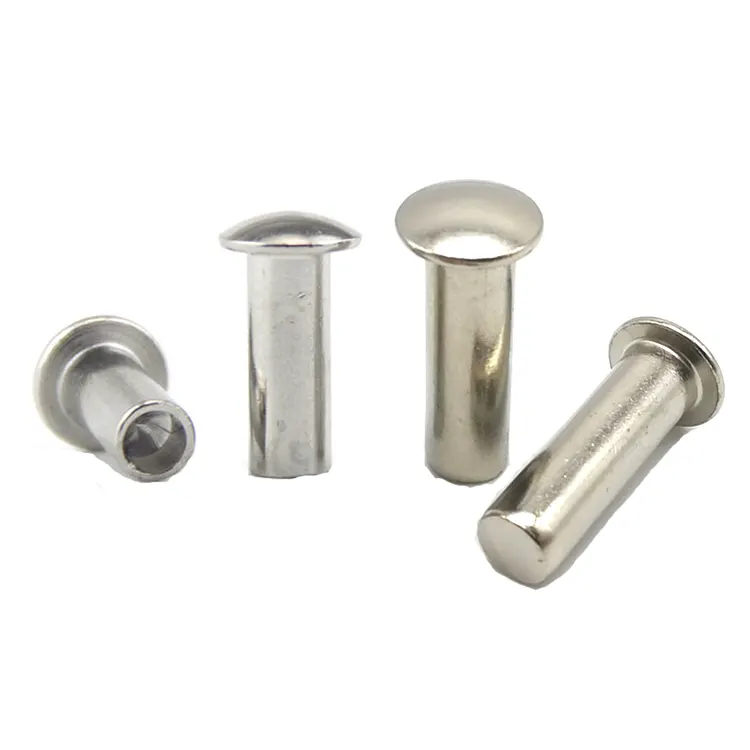
Jern Pan Head Nitter
Nitter med jernpandehoveder med deres lette, korrosionsbestandige og æstetisk tiltalende egenskaber er blevet alsidige allroundere inden for industriel fremstilling. Uanset om det er i vægtkritiske applikationer eller i hverdagen, tilbyder nitter med jernpandehoveder enestående ydeevne og pålidelighed. Velkommen til Nuote Metals i Dongguan, Kina, en specialist i disse nitter. Vi tilbyder produkter af høj kvalitet med garanteret levering. Vi fremstiller også andet hardwaretilbehør, såsom øjer, bearbejdede dele og stemplede dele.
Læs mereSend forespørgsel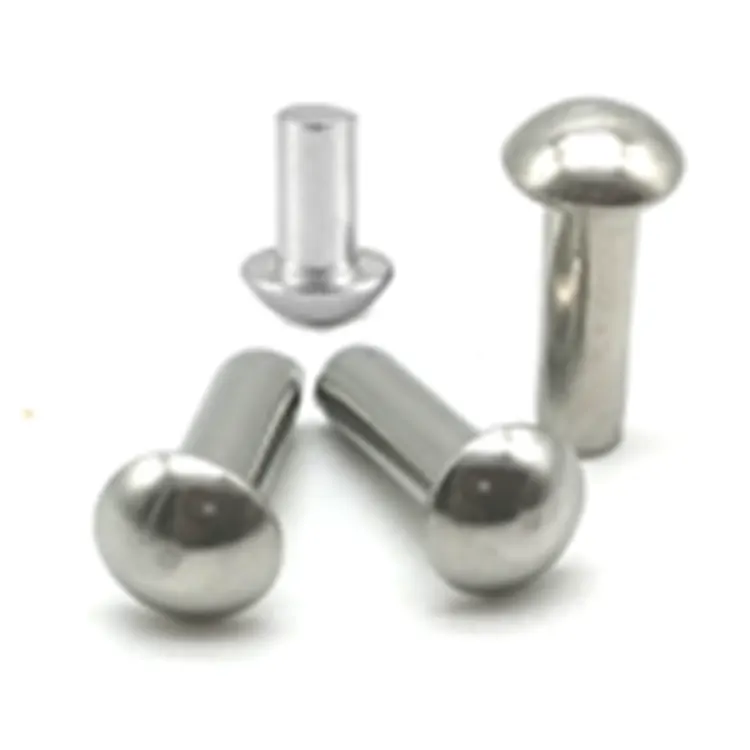
Jernsvampehovednitter
Nuote Metals er en professionel nitteproducent beliggende i Dongguan, Kina. Vores jernnitter til svampehoved, som navnet antyder, har et svampeformet hoved med enten en semi-hul eller solid kerne. Hovedet er typisk større, hvilket giver en god bæreflade. Denne struktur giver mulighed for deformation under installation, enten gennem ekstrudering eller specialiseret værktøj, for sikkert at forbinde to eller flere materialer. Fremstillet af jern, er de typisk galvaniseret eller behandlet med andre overfladebehandlinger for korrosionsbestandighed.
Læs mereSend forespørgsel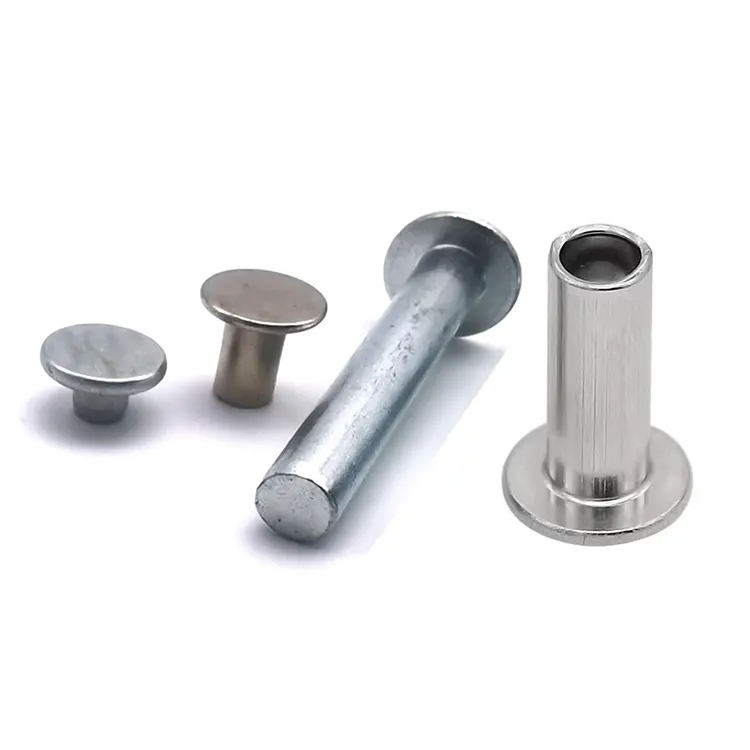
Jern fladhovednitter
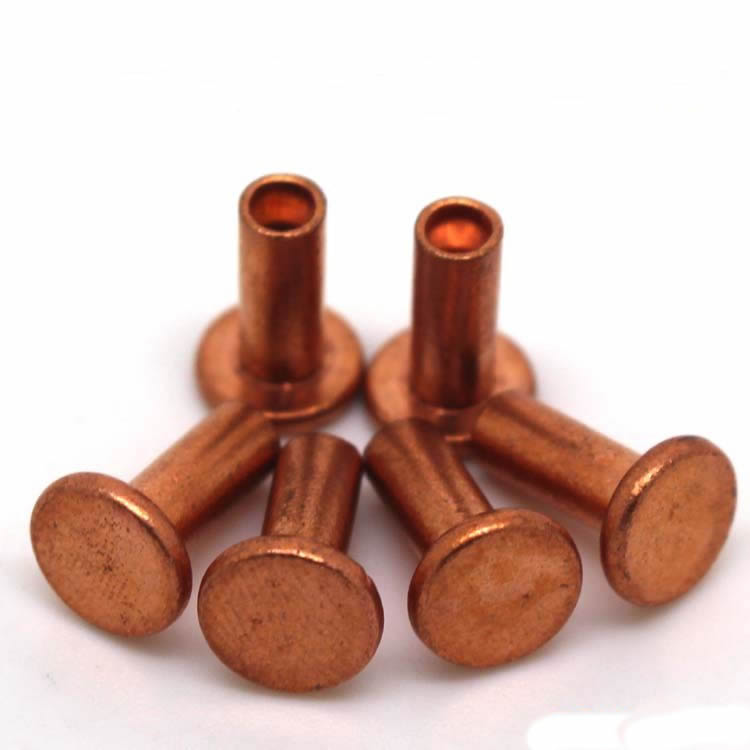
Som en almindelig mekanisk forbindelse indtager jernnitter med fladt hoved en vigtig position i flere industrielle områder på grund af deres designegenskaber og en bred vifte af anvendelser. Strukturelt er nittehovedet fladt, skiveformet, og kroppen er cylindrisk. Slutningen er specielt bearbejdet til at danne en forstyrret struktur. Efter installation får tryk eller slag kroppen til at udvide sig, hvilket danner et mekanisk indgreb med hulvæggen for at opnå en stramningseffekt. Sammenlignet med nitter med runde hoveder eller forsænkede hovednitter har det flade hoveddesign betydelige fordele i kraftfordeling og kontaktareal. For eksempel, når det udsættes for forskydningskraft, kan dets skiveformede hoved sprede belastningen til et større område, hvilket effektivt reducerer trykket pr. arealenhed.
Læs mereSend forespørgselFremstillingsproces af specielle nitter
Fremstillingen af specielle nitter involverer flere led, hovedsagelig herunder:
1.Materialevalg:Vælg passende metal- eller legeringsmaterialer i henhold til brugsmiljøet.
2.Kold overskrift eller varm overskrift:Brug trykbehandling til at danne nittens grundform til metalemnet.
3.Drejning eller fræsning:Finbearbejd detaljerne såsom hovedet og stilken på nitten for at sikre dimensionsnøjagtighed.
4.Overfladebehandling:Såsom galvanisering, fornikling, anodisering osv. for at forbedre korrosionsbestandighed eller æstetik.
Fordele og begrænsninger ved specielle nitter
(1) Fordele: De kan imødekomme særlige behov, forbedre samlingseffektiviteten og forbindelsespålideligheden og er velegnede til komplekse eller krævende applikationsscenarier.
(2) Begrænsninger: Da de er tilpassede produkter, er produktionsomkostningerne høje, leveringscyklussen er relativt lang, og kunderne skal angive detaljerede tekniske parametre.
Hvordan vælger man passende specielle nitter?
(1)Afklar behovene:Bestem nøgleparametrene såsom nittens driftsmiljø, spændingsforhold og krav til korrosionsbestandighed.
(2)Materiale matchende:Vælg det passende materiale baseret på faktiske behov for at undgå overdesign, der fører til øgede omkostninger.
(3)Kommunikere med leverandører:Giv detaljerede tekniske tegninger eller prøver for at sikre, at de fremstillede specialnitter lever op til forventningerne.
Hvad er de vigtigste anvendelser af specielle nitter?
(1)Rumfart: Fly, raketter og andet udstyr stiller ekstremt høje krav til fastgørelseselementers vægt, styrke og højtemperaturbestandighed. Specialnitter kan optimeres efter specifikke behov.
(2)Bilfremstilling:Visse specialmodeller eller højtydende køretøjer kan kræve specielle nitter for at opfylde behovene for letvægts- eller højstyrkeforbindelser.
(3)Elektronisk udstyr:Præcisionsinstrumenter eller lille elektronisk udstyr kan kræve mikrospecielle nitter for at sikre stabiliteten og kompaktheden af forbindelsen.
(4)Byggebranchen:Nogle specialstrukturerede bygninger eller dekorationsprojekter kan bruge specielle nitter for at opfylde specifikke installationskrav.
Markedsstatus for specielle nitter
Med fremskridt inden for industriel teknologi er flere og flere industrier begyndt at bruge specielle nitter til at optimere produktdesign. På nuværende tidspunkt er producenter af specielle nitte hovedsageligt koncentreret i Yangtze River Delta- og Pearl River Delta-regionerne i Kina og kan levere en række tilpassede tjenester. På grund af den høje enhedspris på specielle nitter er dens markedsstørrelse relativt lille, men efterspørgslen inden for avanceret fremstilling fortsætter med at vokse.
Fremtidige udviklingstendenser
(1)Letvægtsdesign: Med forbedringen af energibesparende og miljøbeskyttelseskrav vil specielle nitter lavet af letvægtsmaterialer være mere populære.
(2)Intelligent produktion: Automatiseret udstyr og digital styring vil yderligere forbedre produktionseffektiviteten og kvalitetsstabiliteten af Specialnitter.
(3)Bredere anvendelse: Nye industrier som ny energi og robotteknologi kan drive væksten i efterspørgslen efter specielle nitter.
Sammenfattende er specialnitter meget tilpassede fastgørelseselementer, der kan opfylde særlige behov, som standardnitter ikke kan opfylde. Selvom dens produktionsomkostninger er relativt høje, spiller den en uerstattelig rolle i industrier som rumfart, biler og elektronik. I fremtiden, med fremskridt inden for fremstillingsteknologi, forventes anvendelsesområdet for Specialnitter at udvide sig yderligere.



X
Vi bruger cookies til at tilbyde dig en bedre browsingoplevelse, analysere trafik på webstedet og tilpasse indhold. Ved at bruge denne side accepterer du vores brug af cookies.
Privatlivspolitik