Særlige nitter
Produkter
- View as
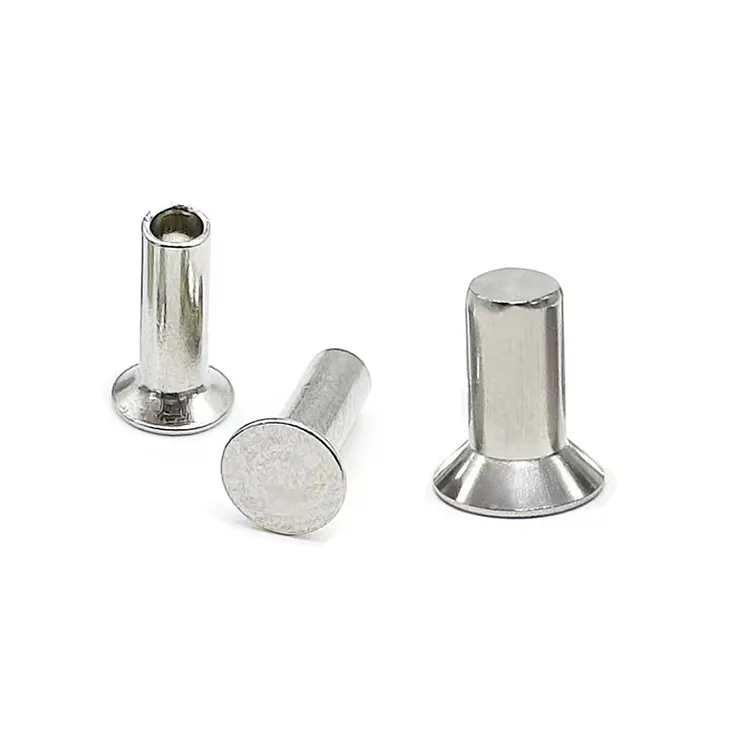
Jern forsænkede hovednitter
Hovedet af jernnitter med forsænket hoved er formet som en keglestub, hvor keglen typisk er vinklet i 90° eller 120° i forhold til nittens akse. Denne form gør det muligt for nittens hoved at sidde i plan med overfladen af den tilsluttede komponent efter installationen, hvilket resulterer i et glat udseende. Dette er særligt velegnet til applikationer, hvor overfladens planhed er kritisk. Kom til Nuote Metals for at tilpasse din ønskede nitte med forsænket hoved i jern. Vores ingeniører, med over 10 års erfaring, er dybt fortrolige med produktion af forskellige nittetyper.
Læs mereSend forespørgsel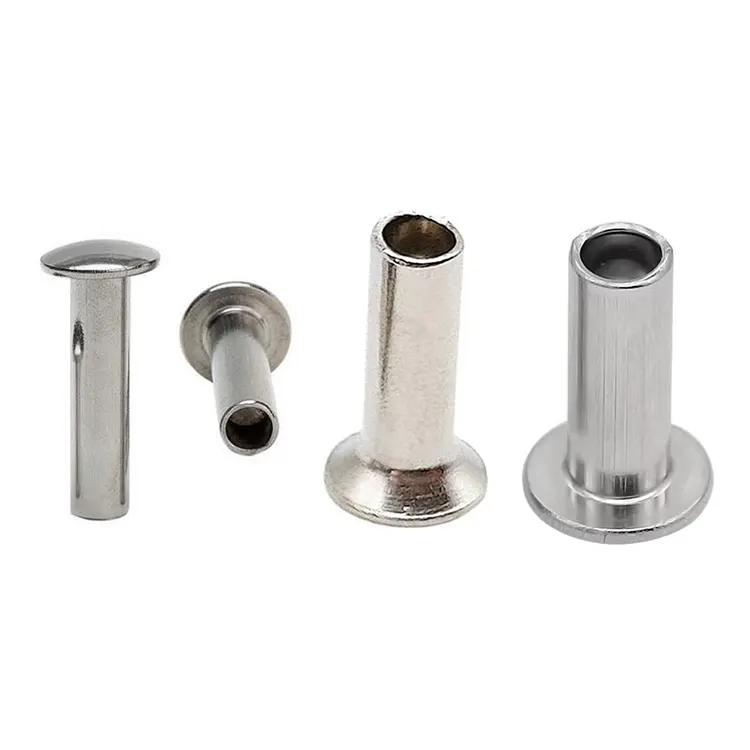
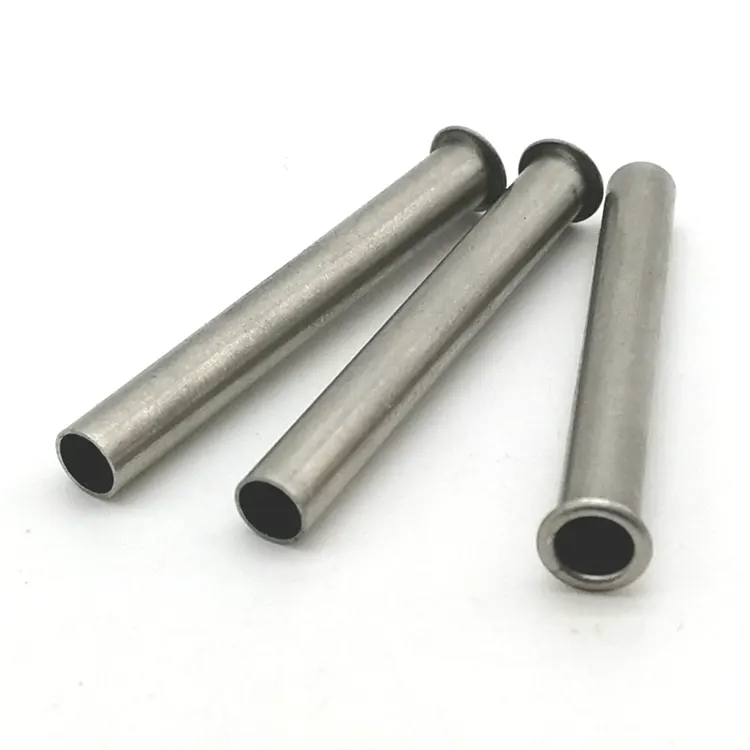
Halvrørsnitter
Nuote Metals er en Kina-baseret producent af halvrørsnitter – det produktionsvenlige alternativ til solide nitter, der reducerer afbindingskraften med op til 70 %, mens den bibeholder 80-90 % af solid nitstyrke. Tilgængelig i 1,5–8,0 mm skaftdiametre, fem materialefamilier, flere hovedtyper og tilpassede længder. ISO-certificeret kvalitet, fuld sporbarhed og gratis prøver tilgængelige – kontakt os for at komme i gang.
Læs mereSend forespørgsel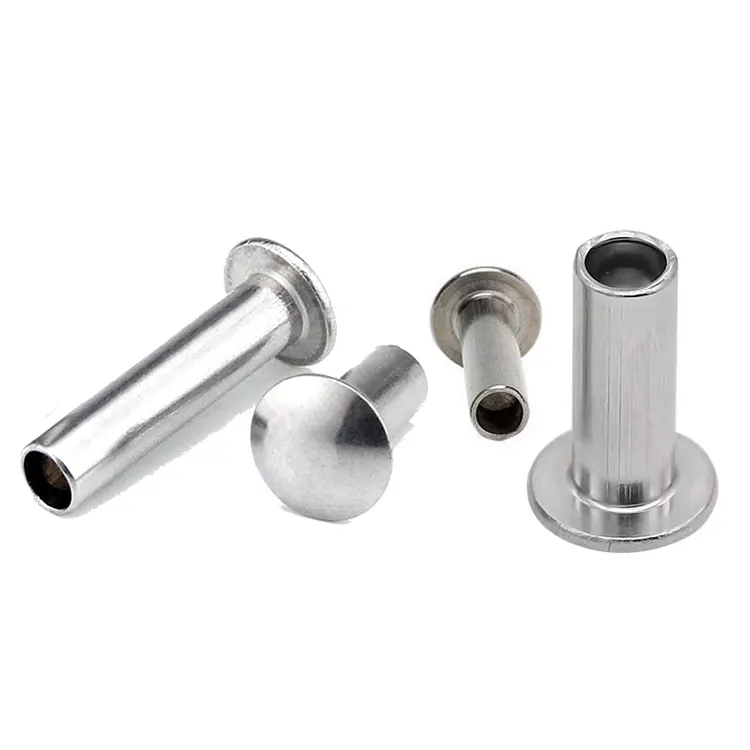
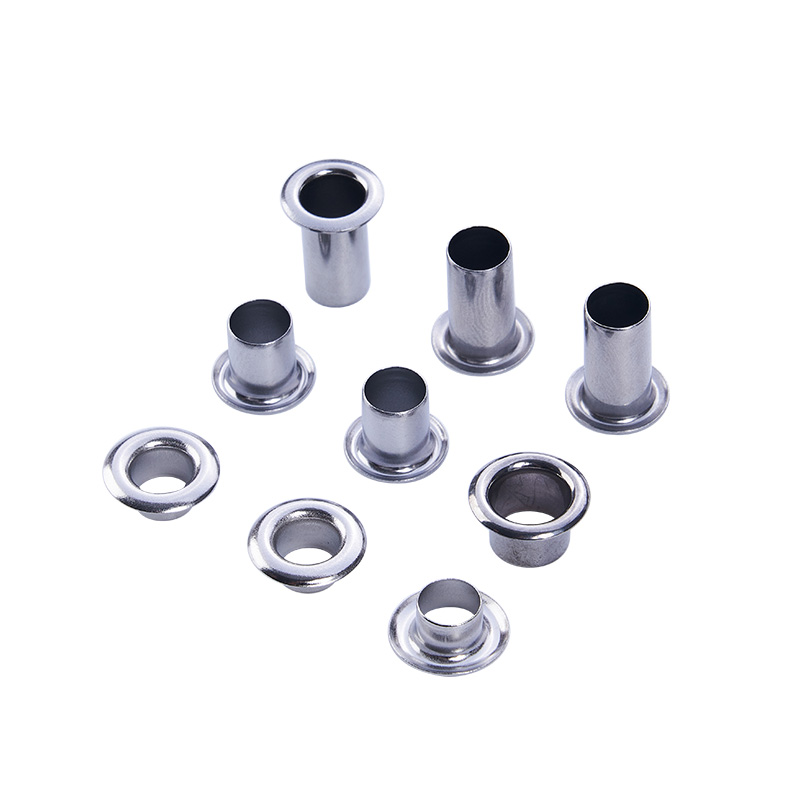
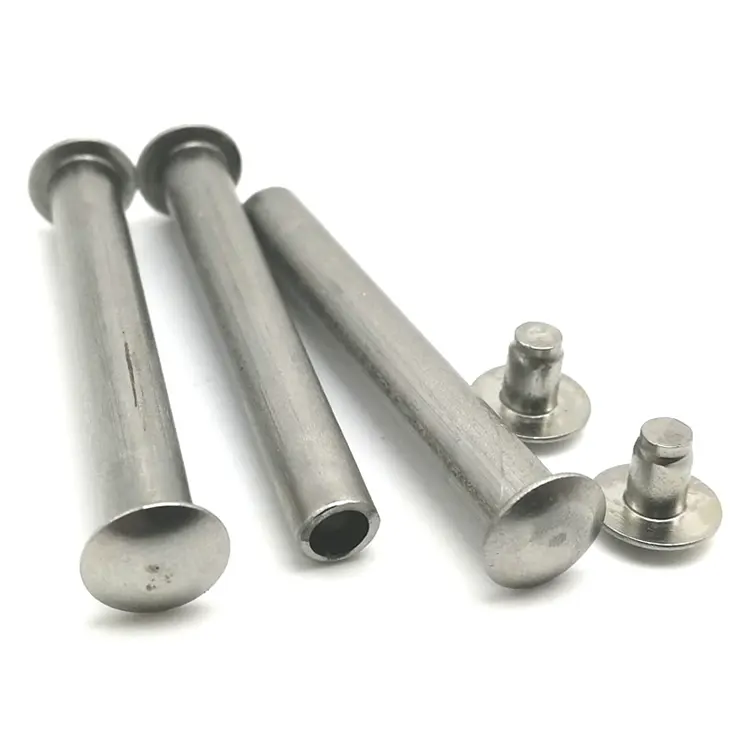
Halvhule nitter
Nuote Metals er beliggende i Dongguan, Kina, vi er specialiseret i produktion af en række forskellige nitter, herunder solide nitter, semi-rørnitter og helrørsnitter. Halvhule nitter er et almindeligt industrielt fastgørelseselement, der har en hul kernestruktur med et halvlukket hoved og skaft. Dette design giver dem mulighed for at kombinere letvægt og høj styrke, hvilket gør dem meget udbredte i applikationer, der kræver effektiv nitning. Sammenlignet med solide nitter reducerer halvhule nitter vægten ved at bruge mindre materiale, mens de udnytter plastisk deformation under nitningen for at opnå en sikker forbindelse, hvilket gør dem særligt velegnede til vægtfølsomme applikationer.
Læs mereSend forespørgsel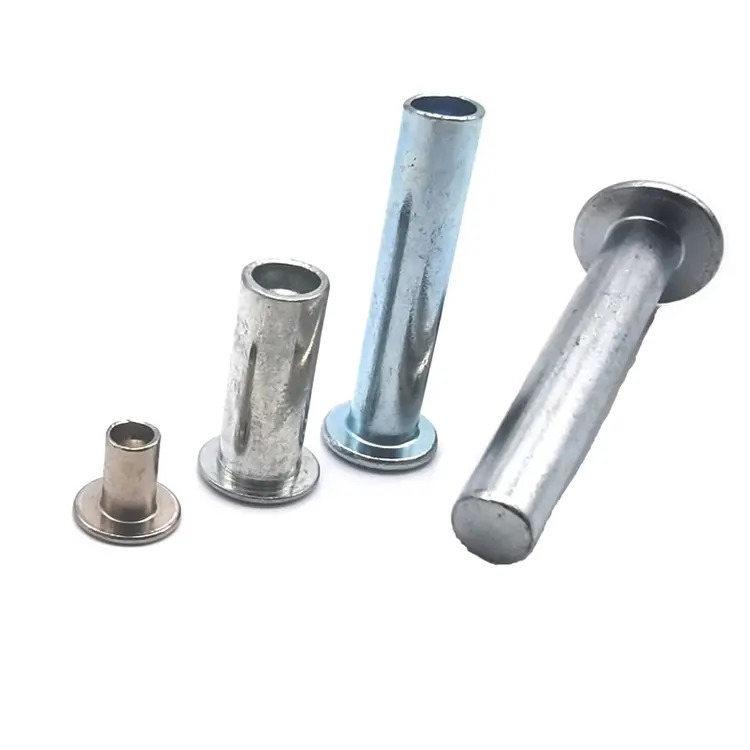
Fladhovednitter
Nuote Metals er specialiseret i fremstilling af nitter, der producerer en række forskellige materialer såsom rustfrit stål, messing, aluminium, kulstofstål og kobber. Nitter er en almindelig fastgørelsesanordning, der bruges i forskellige strukturer og samlinger i både industriel fremstilling og hverdagsliv. Fladhovednitter er det foretrukne produkt for mange industrier på grund af deres unikke ydeevne og tilpasningsevne.
Læs mereSend forespørgsel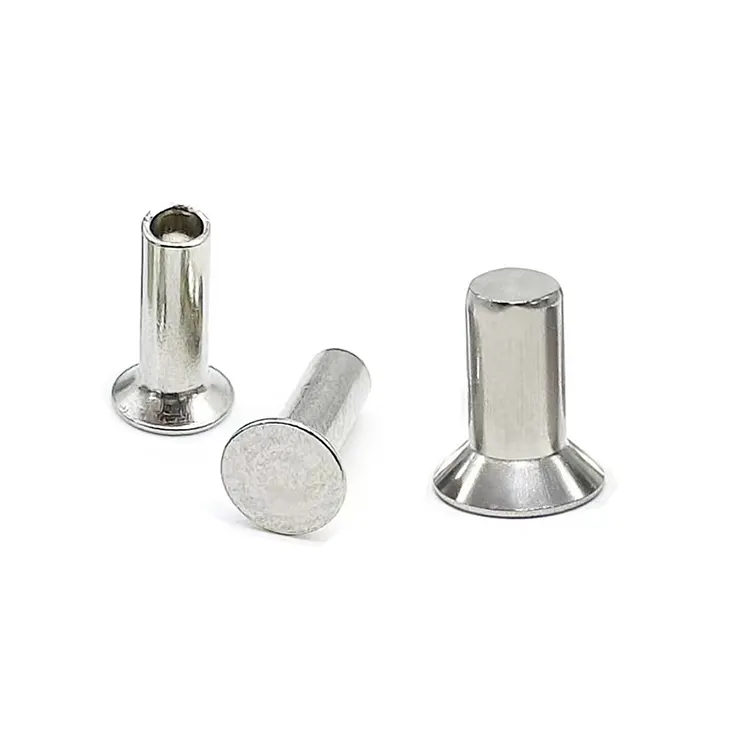
Forsænkede hovednitter
Nuote Metals fremstiller nitter med forsænket hoved i solide, semi-rørformede og fuldt rørformede designs - med et tilspidset hoved, der sidder helt i plan med materialets overflade. Fås i 90° og 100° hovedvinkler, 1,5–8,0 mm skaftdiametre, fem materialefamilier og tilpassede længder. ISO-certificeret kvalitet, fuld sporbarhed og gratis prøver tilgængelige – kontakt os for at komme i gang.
Læs mereSend forespørgsel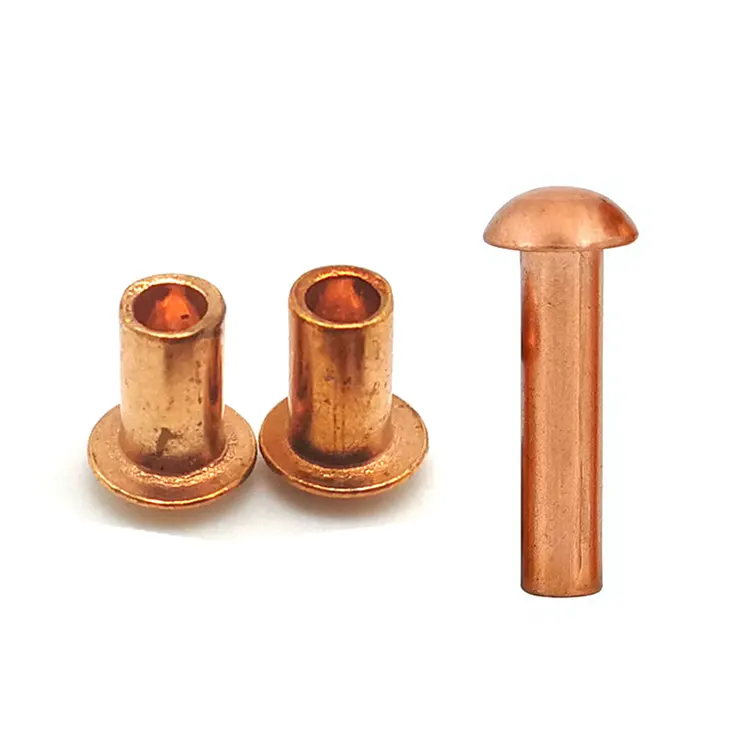
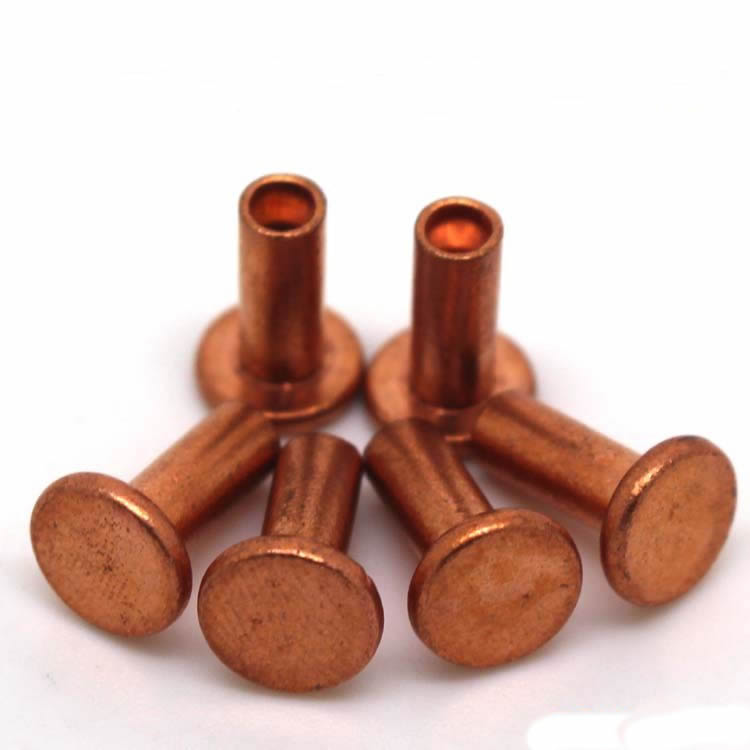
Kobber nitter med rund hoved
Kobbernitter med rund hoved er en type fastgørelse, der er meget udbredt i industriel fremstilling, møbelfremstilling og andre områder. Kobber, også kendt som iltfrit kobber, er en kobberlegering med høj renhed karakteriseret ved fremragende elektrisk og termisk ledningsevne samt god korrosionsbestandighed og duktilitet. Disse egenskaber sikrer, at kobbernitter med rund hoved opretholder en stabil ydeevne i forskellige miljøer, hvilket forlænger deres levetid. Desuden har kobber visse antibakterielle egenskaber, som kan reducere risikoen for bakterievækst i produkter, der hyppigt kommer i kontakt med menneskekroppen.
Læs mereSend forespørgselFremstillingsproces af specielle nitter
Fremstillingen af specielle nitter involverer flere led, hovedsagelig herunder:
1.Materialevalg:Vælg passende metal- eller legeringsmaterialer i henhold til brugsmiljøet.
2.Kold overskrift eller varm overskrift:Brug trykbehandling til at danne nittens grundform til metalemnet.
3.Drejning eller fræsning:Finbearbejd detaljerne såsom hovedet og stilken på nitten for at sikre dimensionsnøjagtighed.
4.Overfladebehandling:Såsom galvanisering, fornikling, anodisering osv. for at forbedre korrosionsbestandighed eller æstetik.
Fordele og begrænsninger ved specielle nitter
(1) Fordele: De kan imødekomme særlige behov, forbedre samlingseffektiviteten og forbindelsespålideligheden og er velegnede til komplekse eller krævende applikationsscenarier.
(2) Begrænsninger: Da de er tilpassede produkter, er produktionsomkostningerne høje, leveringscyklussen er relativt lang, og kunderne skal angive detaljerede tekniske parametre.
Hvordan vælger man passende specielle nitter?
(1)Afklar behovene:Bestem nøgleparametrene såsom nittens driftsmiljø, spændingsforhold og krav til korrosionsbestandighed.
(2)Materiale matchende:Vælg det passende materiale baseret på faktiske behov for at undgå overdesign, der fører til øgede omkostninger.
(3)Kommunikere med leverandører:Giv detaljerede tekniske tegninger eller prøver for at sikre, at de fremstillede specialnitter lever op til forventningerne.
Hvad er de vigtigste anvendelser af specielle nitter?
(1)Rumfart: Fly, raketter og andet udstyr stiller ekstremt høje krav til fastgørelseselementers vægt, styrke og højtemperaturbestandighed. Specialnitter kan optimeres efter specifikke behov.
(2)Bilfremstilling:Visse specialmodeller eller højtydende køretøjer kan kræve specielle nitter for at opfylde behovene for letvægts- eller højstyrkeforbindelser.
(3)Elektronisk udstyr:Præcisionsinstrumenter eller lille elektronisk udstyr kan kræve mikrospecielle nitter for at sikre stabiliteten og kompaktheden af forbindelsen.
(4)Byggebranchen:Nogle specialstrukturerede bygninger eller dekorationsprojekter kan bruge specielle nitter for at opfylde specifikke installationskrav.
Markedsstatus for specielle nitter
Med fremskridt inden for industriel teknologi er flere og flere industrier begyndt at bruge specielle nitter til at optimere produktdesign. På nuværende tidspunkt er producenter af specielle nitte hovedsageligt koncentreret i Yangtze River Delta- og Pearl River Delta-regionerne i Kina og kan levere en række tilpassede tjenester. På grund af den høje enhedspris på specielle nitter er dens markedsstørrelse relativt lille, men efterspørgslen inden for avanceret fremstilling fortsætter med at vokse.
Fremtidige udviklingstendenser
(1)Letvægtsdesign: Med forbedringen af energibesparende og miljøbeskyttelseskrav vil specielle nitter lavet af letvægtsmaterialer være mere populære.
(2)Intelligent produktion: Automatiseret udstyr og digital styring vil yderligere forbedre produktionseffektiviteten og kvalitetsstabiliteten af Specialnitter.
(3)Bredere anvendelse: Nye industrier som ny energi og robotteknologi kan drive væksten i efterspørgslen efter specielle nitter.
Sammenfattende er specialnitter meget tilpassede fastgørelseselementer, der kan opfylde særlige behov, som standardnitter ikke kan opfylde. Selvom dens produktionsomkostninger er relativt høje, spiller den en uerstattelig rolle i industrier som rumfart, biler og elektronik. I fremtiden, med fremskridt inden for fremstillingsteknologi, forventes anvendelsesområdet for Specialnitter at udvide sig yderligere.



X
Vi bruger cookies til at tilbyde dig en bedre browsingoplevelse, analysere trafik på webstedet og tilpasse indhold. Ved at bruge denne side accepterer du vores brug af cookies.
Privatlivspolitik