Stemplingsdele
Produkter
- View as
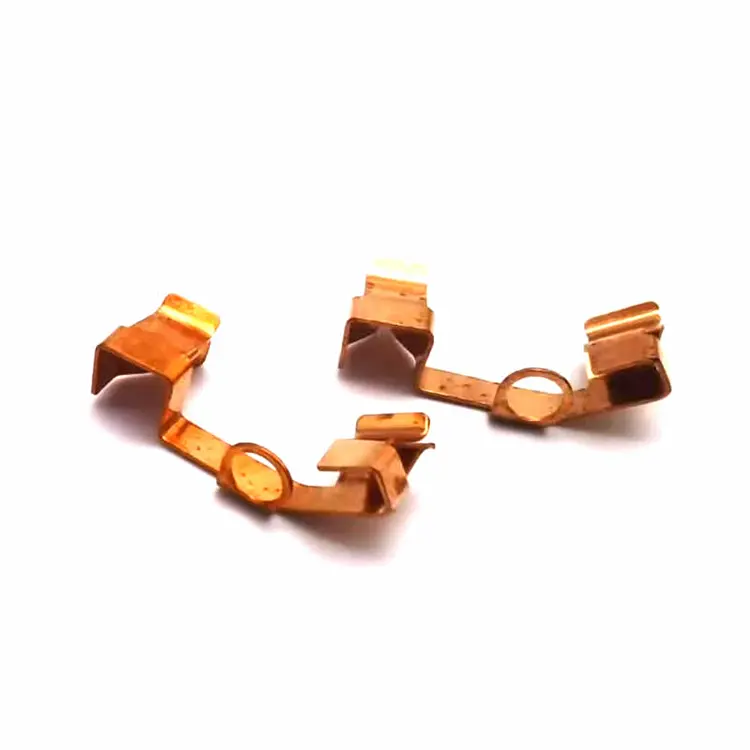
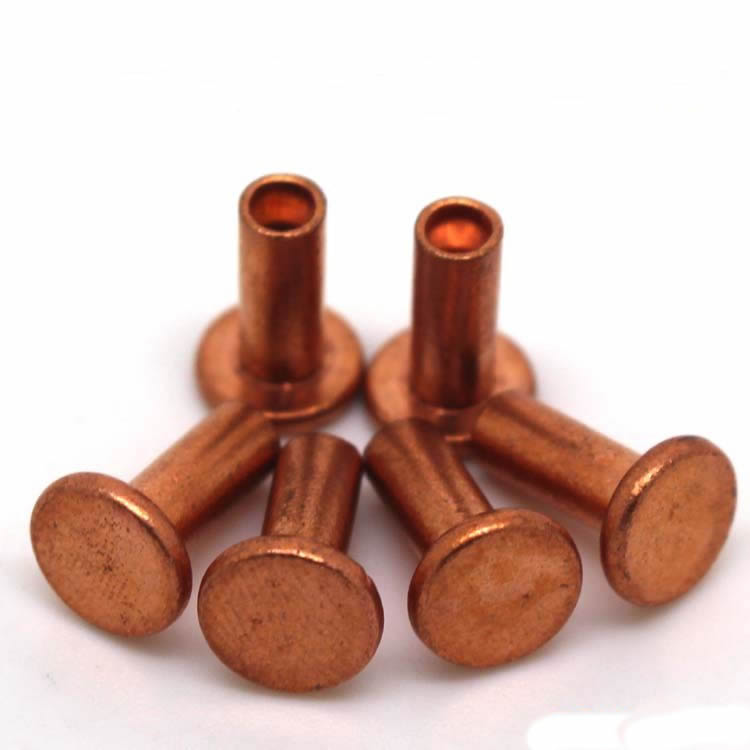
Stemplingsdele til sokkel
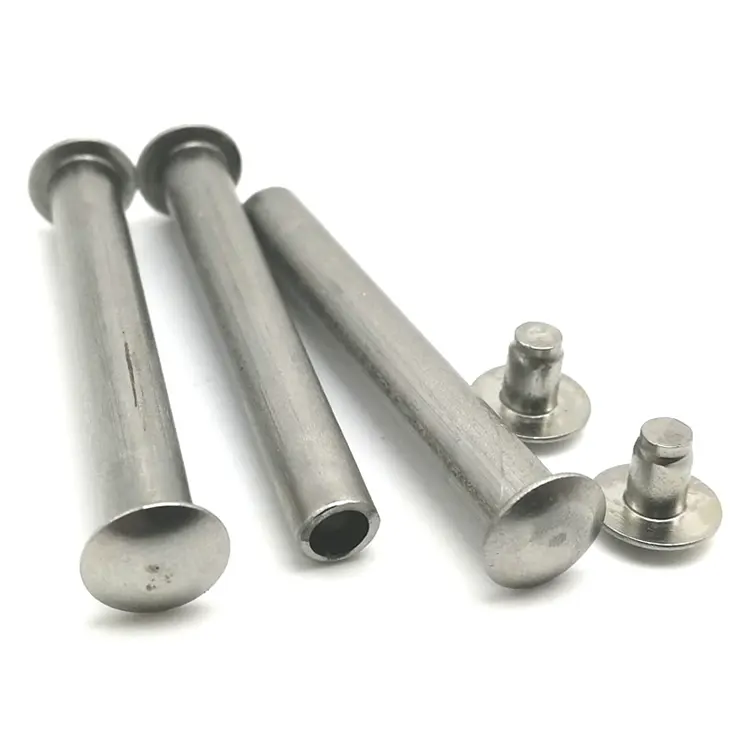
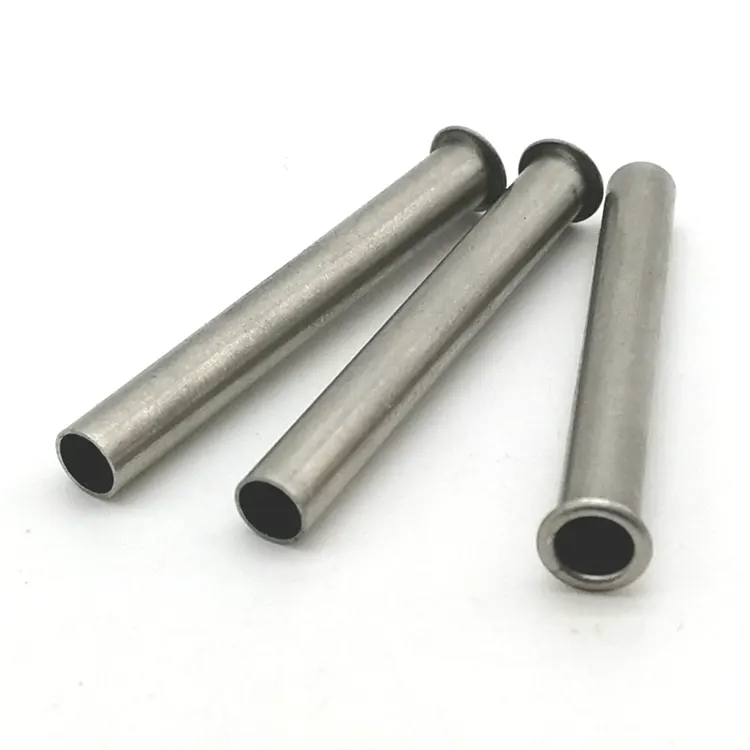
Stamping Parts For Socket er en førende producent af progressive metalstemplingsdele, stemplingsdelene er meget udbredt i kontakter, relæer, termostater, kontaktorer, afbrydere, controllere, timere og andre lavspændingsapparater.
Læs mereSend forespørgsel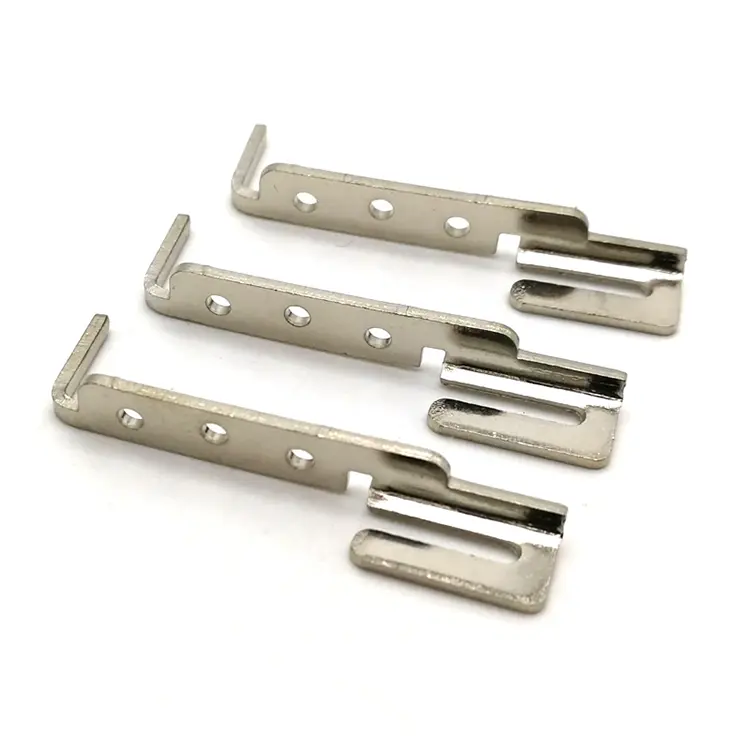
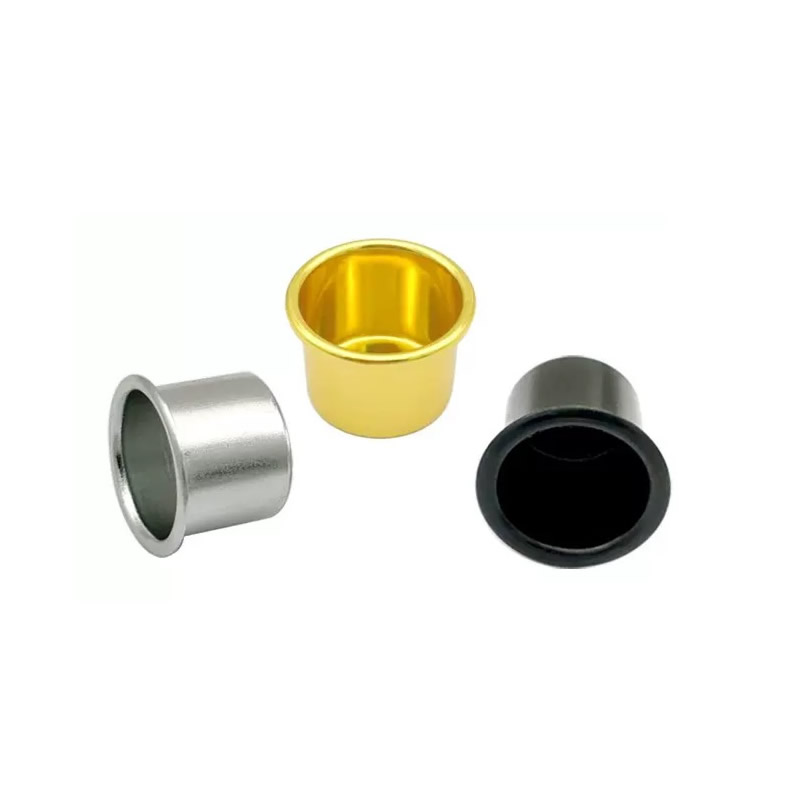
Metalstemplede dele
Nuote Metals har specialiseret sig i at producere metalstemplede dele internt. Vi har et internt team af eksperter til værktøjs- og matricedesign, konstruktion, eksemplariske presseoperationer og montage. Vi har mere end 10 års erfaring med metalstempling, send os din tegning for et hurtigt tilbud.
Læs mereSend forespørgsel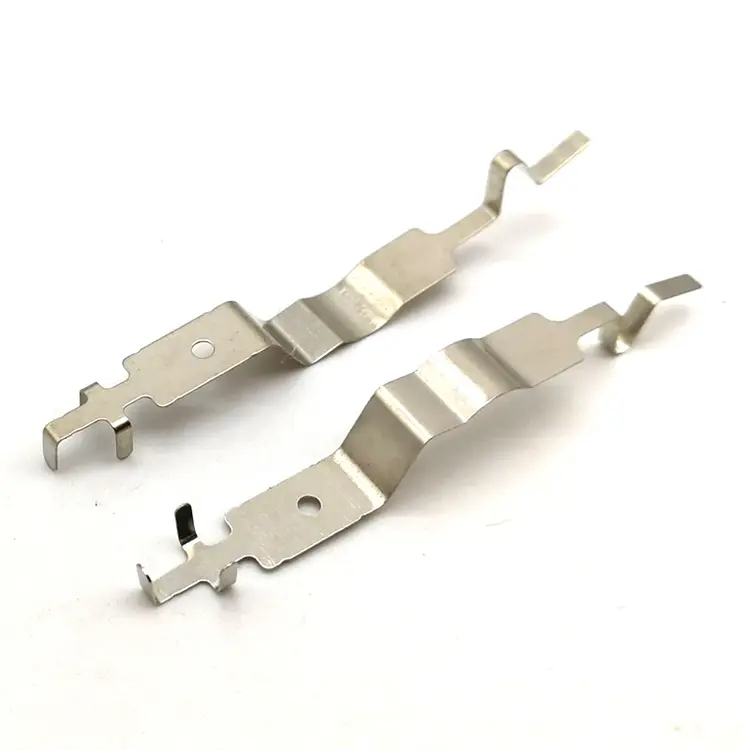
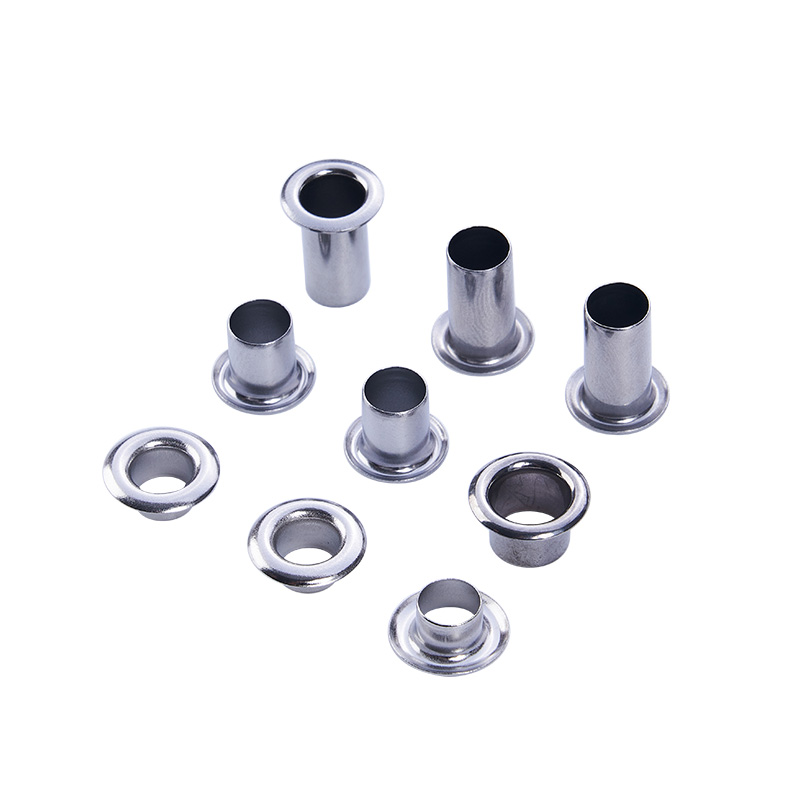
Metal stempling dele
Nuote Metals er en førende producent af metalstemplingsdele af brugerdefinerede komponentdele fra en række forskellige basismaterialer, såsom aluminium, messing, rustfrit stål, berylliumkobber, stål osv. Vi tilbyder en bred vifte af præcisionsmetalprægningsfunktioner, herunder: Blanking, bukning, prægning, formning, piercing osv.
Læs mereSend forespørgsel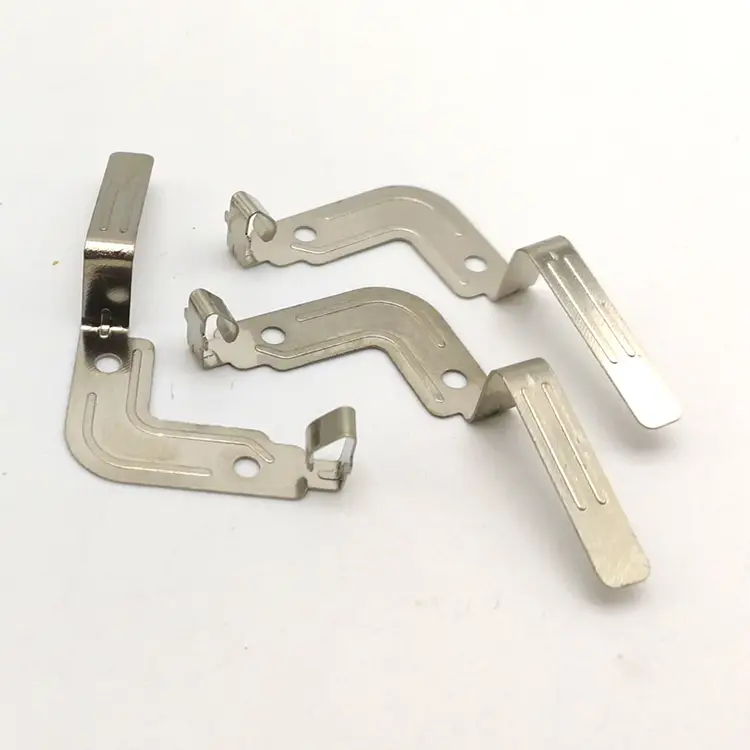
Præcisionsstempling af metaldele
Nuote Metals kan bruge en række forskellige metaller til at fremstille præcisionsstemplede metaldele. Men nogle processer og typer af metaller klarer sig bedre i præcisionsmetalprægningsprocessen eller passer bedre til en bestemt anvendelse.
Læs mereSend forespørgsel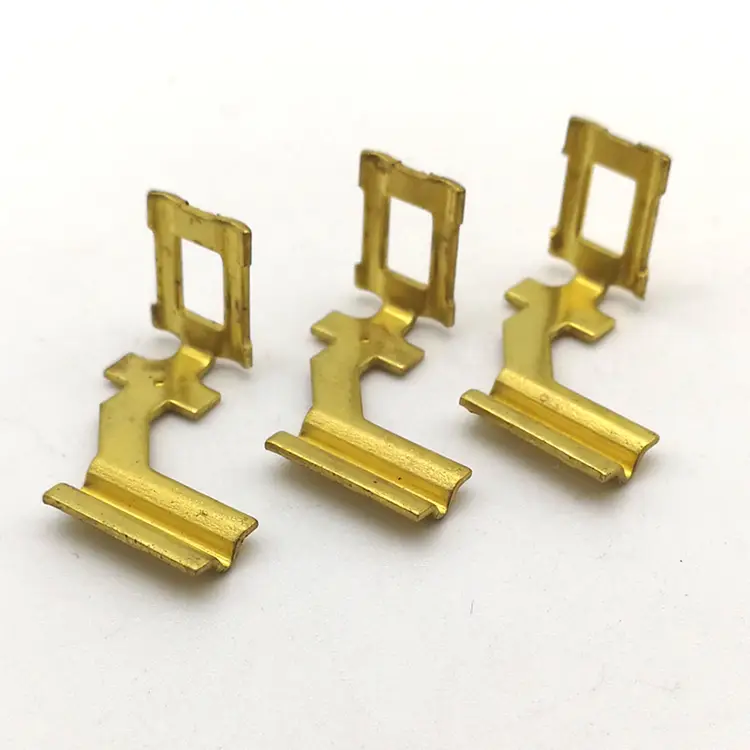
Præcisions metalstempling
Nuote Metals er en Kina-baseret producent af præcisionsmetalprægningskomponenter - præcisionsmetaldele fremstillet ved hjælp af progressiv, sammensat og transferformstempling. Med presser fra 25 til 200 tons håndterer vi materialer, herunder kulstofstål, rustfrit stål, aluminium, messing og kobber. Mulighederne omfatter blanking, piercing, bukning, tegning, prægning og prægning. ISO 9001:2015 certificeret. Gratis DFM anmeldelse og prøver tilgængelige. Kontakt os i dag.
Læs mereSend forespørgselSome important factors to keep in mind:
Plasticity and Grain Direction – Plasticity is a measure of the permanent deformation a material undergoes when subjected to stress. Metals with greater plasticity are more susceptible to forming. Grain direction is important in high-strength materials, such as tempered metals and stainless steel. If bending occurs along a high-strength grain, cracking is more likely.
Bending Deformation/Expansion: Bending deformation causes expansion of up to 1/3 of the material thickness. This deformation/expansion becomes more severe as the material thickness increases and the bend radius decreases. Web and "mismatch" cutting: This involves making very slight indentations or protrusions in the part, typically about 0.1mm deep. This feature is not required when using composite or transfer tools, but it is essential when using progressive dies.
Advantages and Limitations of Stamping
Advantages:
- Low cost: In mass production, the cost per part can be reduced to one-third of that of a cast part;
- High consistency: Dimensional tolerances can be controlled within ±0.1mm;
- High material utilization: Through nesting optimization, the utilization rate can reach over 85%.
Limitations:
- Long mold development cycle and high initial investment, making it unsuitable for large-scale production;
- Complex three-dimensional structures (such as hollow crankshafts) require integration with other processes.
Core Application Areas of Stamping Parts
1. Automotive Industry: Accounts for over 60% of total stamping part demand, including body panels and chassis components;
2. Electronics and Electrical: For example, metal mobile phone frames and heat sinks, thicknesses can be as thin as 0.2mm;
3. Home Appliance Industry: Refrigerator panels, air conditioner housings, etc., where surface aesthetics can be enhanced through electroplating or spraying.



X
Vi bruger cookies til at tilbyde dig en bedre browsingoplevelse, analysere trafik på webstedet og tilpasse indhold. Ved at bruge denne side accepterer du vores brug af cookies.
Privatlivspolitik